


Melania Trump opens the White House to visitors/ The uniqueness of the presidential premises
First Lady Melania Trump announced today that the White Ho...


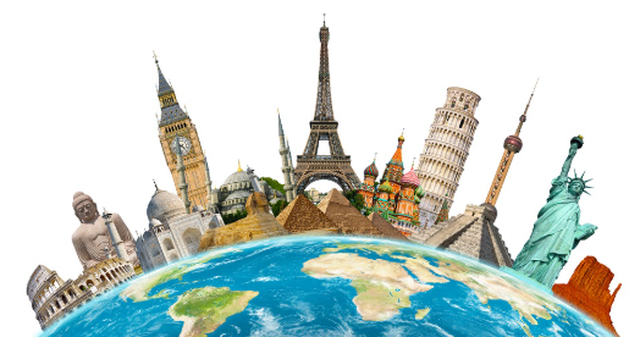
One of the most popular questions asked is how much it costs to travel around the world. This was also the biggest question, before anyone decided to take a big trip like this.
It costs a lot less than you think. Long-term travel, several months or longer, costs a lot less per day than what you might normally spend on a typical 10-day trip abroad.
There are many factors that affect how much you will spend… the places you visit, the types of accommodations you stay in, how often you move between cities, your mode of transportation, and how many tours and activities you do. In this post, we will shed some light on the costs associated with traveling around the world and give you an accurate estimate of what to expect if you have plans for a trip like this.
Factors affecting the cost of travel
If you spend a lot of time in developed countries (Europe, Australia, New Zealand, and Japan) your costs will be very high. In Europe and Australia, it costs an average of $125 per person per day. For our family of four, we average $350 per day in these countries.
Asia, Africa, and South America are cheaper. In places like Cambodia, India, and Nepal, you can spend as little as $50 per person per day and eat well and stay in nice accommodations. Our family of four averaged $185 per day in Southeast Asia, $180 per day in Nepal, and $155 per day in India.
Planning your trip to visit more places with a lower cost of living will help you keep your expenses low. And that's what we did, while making sure they were still places we were interested in visiting.
During our 13 months of travel, we spent nine of them in Asia. We also spent six weeks in Southern Africa. These countries are on the cheaper end of the scale. We limited our time in New Zealand and Australia to seven weeks, and we limited our time in Europe to just five weeks. All of these are on the more expensive end of the scale. We also knew that we could return to Europe in the future more easily than to Asia because of the travel distances from the place we call home.
Mode of Transportation
Your primary mode of transportation will have a big impact on your budget. Flights are the most expensive, while bus travel is incredibly cheap. If you really want to keep your budget low, limit your flights and fill in the gaps with bus and train travel.
But remember, you get what you pay for. Traveling by bus is a very efficient way to travel, but it is also slow and can become quite frustrating. When you are traveling long-term, you have the luxury of time, so adding a day to your journey between Bangkok and Chiang Mai may be worth the savings over flying. Pace of Travel
The more often you change locations, the more money you spend. Every time you move to a new place, you have to spend money on transportation, which increases your daily expenses.
Many people, when traveling for a year, hop from one place to another about every week or two. Some stay a month or more, really getting to know a place. And, since there are no transportation costs during this time, the expenses are usually very low.
The slower you travel, the lower your daily costs.
Type of Accommodation
Accommodations can easily be one of the biggest ticket items in your budget. So saving money here saves a lot of money overall.
During long-term trips, most people stay in two- or three-star accommodations, hostels, or rented apartments. If you're traveling alone, hostels are usually the most economical because you can rent a bed for the night instead of an entire room for the night. The downside is that you'll be sharing a bedroom and bathroom with other people. But on the other hand, it provides a social environment for meeting other travelers.
Hostels and rental apartments usually offer access to kitchens, so you can save even more money by preparing your own meals when staying in these types of accommodations.
Food
Food is another item that quickly adds up to your travel budget. If you're really trying to cut costs, minimize your restaurant visits and maximize your grocery store visits. Preparing your own meals will save you money.
Eating out is getting more expensive every day, even in the cheapest places. Alcohol, even just a glass of wine, can start to break the budget.
Activities, Tours and Multi-Day Excursions
This is the fun part of the trip, and yes, you should budget for it. Museum entrance fees, guided tours, zip lining, surf lessons, concerts, and excursions should all be factored into your budget. So how much should you add?
This is a tough question. The answer depends on what you enjoy doing. Hiking can be a cheap way to explore a place. Exploring a city on your own and visiting free museums is a way to see something for as little money as possible. Add a little money for those other must-see sites. Once you start adding activities like food tours or adventure sports, your costs will really add up.
So, how much does it cost?
In general, you should expect it to cost between $25,000 and $35,000 per person to travel the world for a year. This rough estimate comes from reading other bloggers’ travel budgets, various travel planning resources, and our own experience.
This is just the middle ground. Yes, you can absolutely travel for less than $25,000 per person for an entire year. Many people have done it and written about it. Or, you can spend more on luxury, traveling for $50,000 to $60,000 or more per person.
The bottom line is that if you're a solo traveler, you should be able to travel the world for $25,000 for a year (that's a little over $2,000 a month, $66 a day)!! /CNA

First Lady Melania Trump announced today that the White Ho...
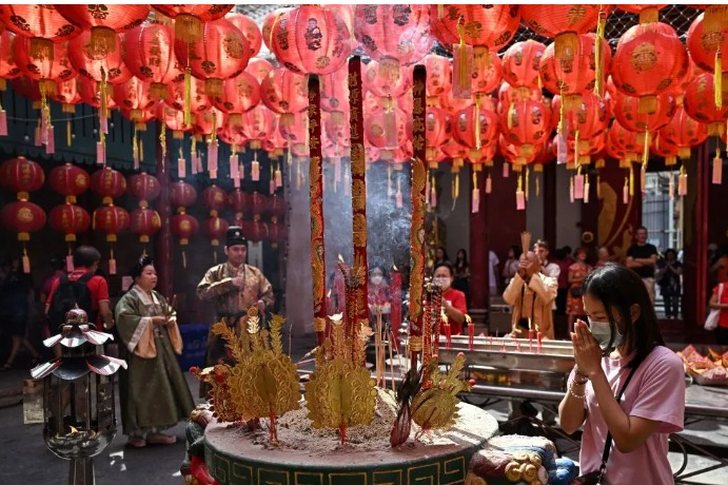
Millions of people across Asia and the world are welcom...
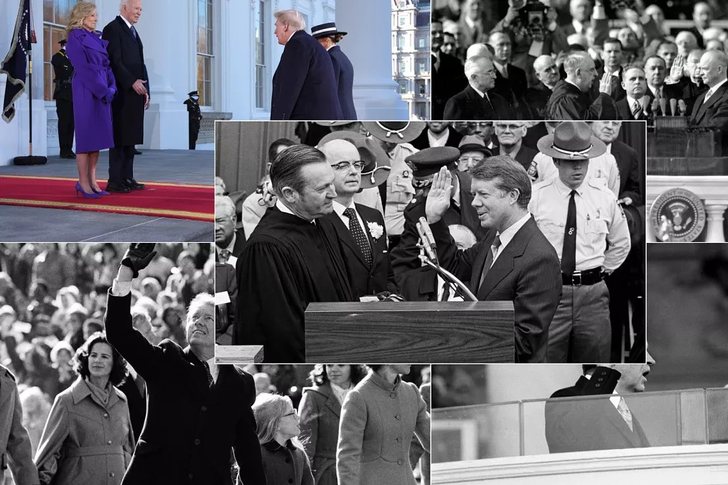
The peaceful transition of power is a cornerstone of Ameri...

Trump is back in the Oval Office and the long tradition of...

Melania Trump returned to Washington for the second time a...

Otherwise known as 'eye tattoos', keratopigmentation is be...
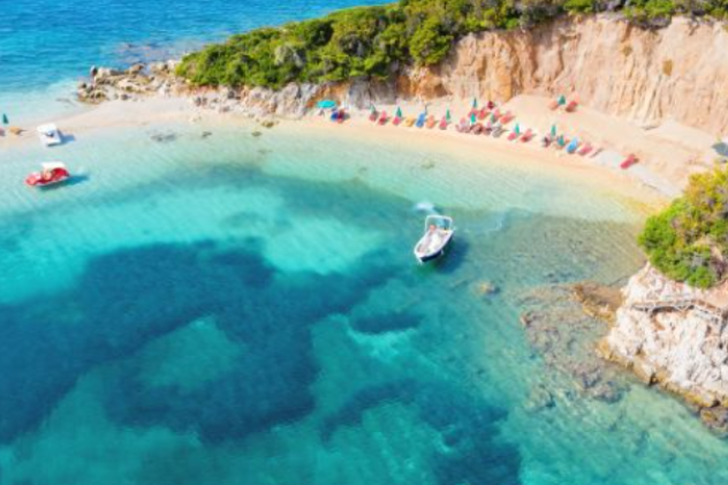
Italy is a beautiful country with wonderful beaches, great...
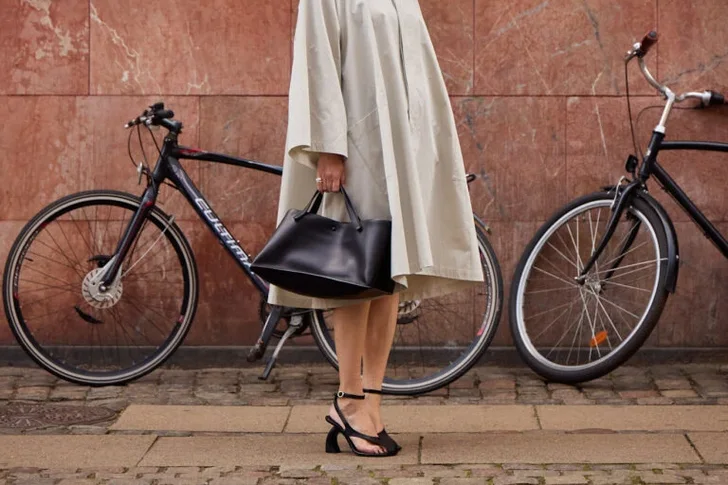
It's time to study the coats we'll be wearing in the comin...
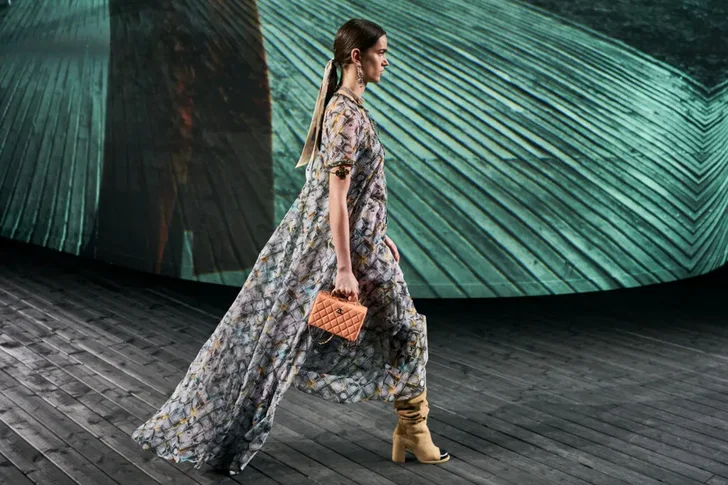
Suede boots are the trend this fall. They can be adapted ...

A women's bag is the most important wardrobe accessory. F...
It's one of the highest culinary honors bestowed on a rest...
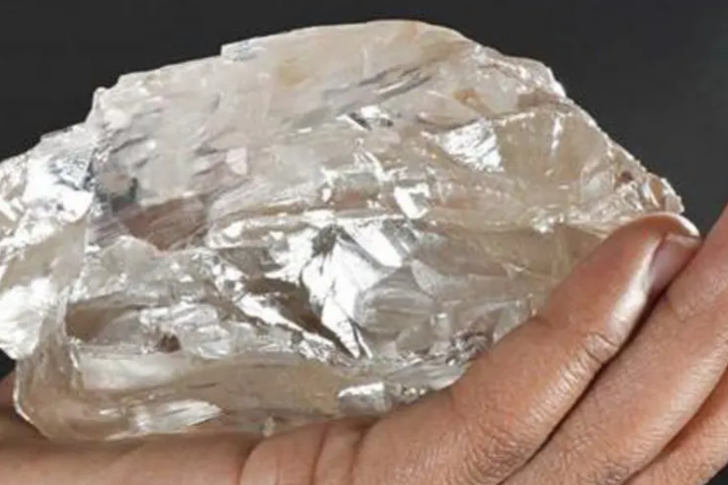
The second largest diamond ever found, an approximate 2,49...
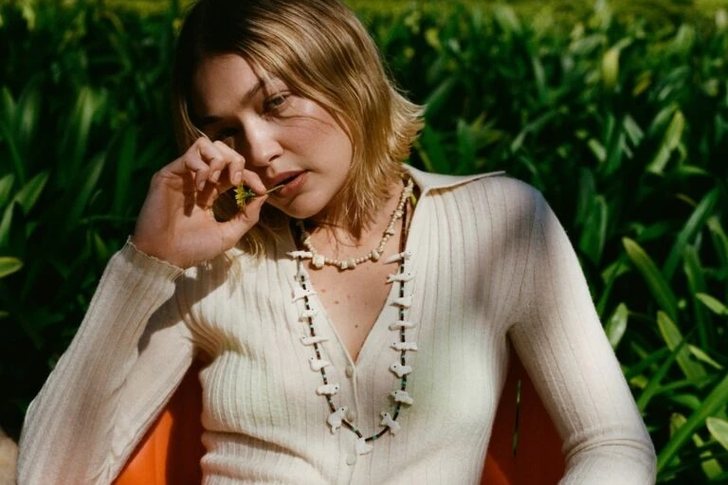
Accessories are inseparable whether in everyday clothes, o...
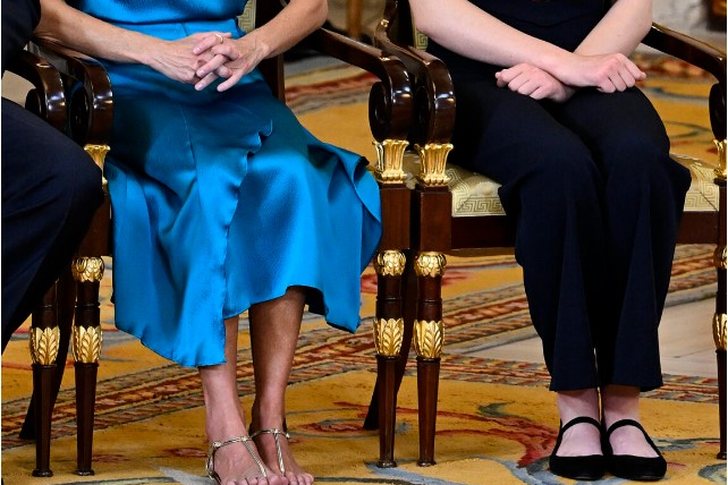
Every summer sandals are an inseparable part of the wardro...
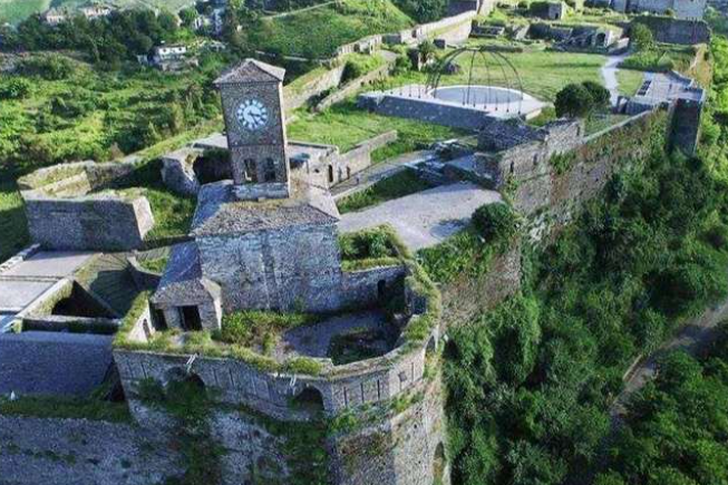
The cultural tourism segment has recorded stronger growth ...
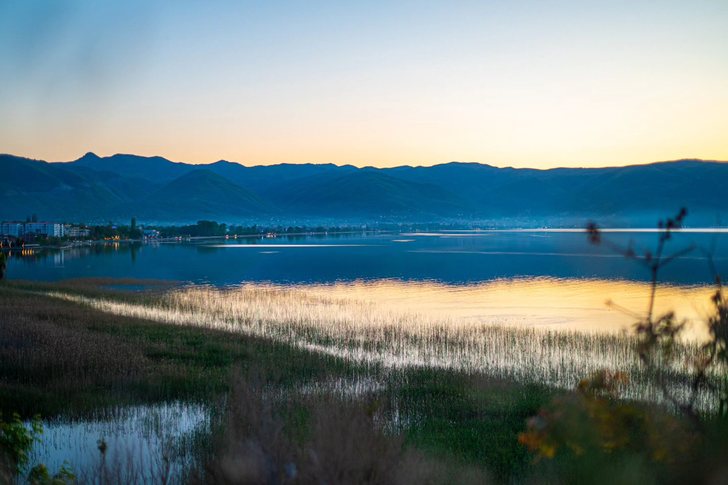
Pogradeci, a tourist town in south-eastern Albania, is...
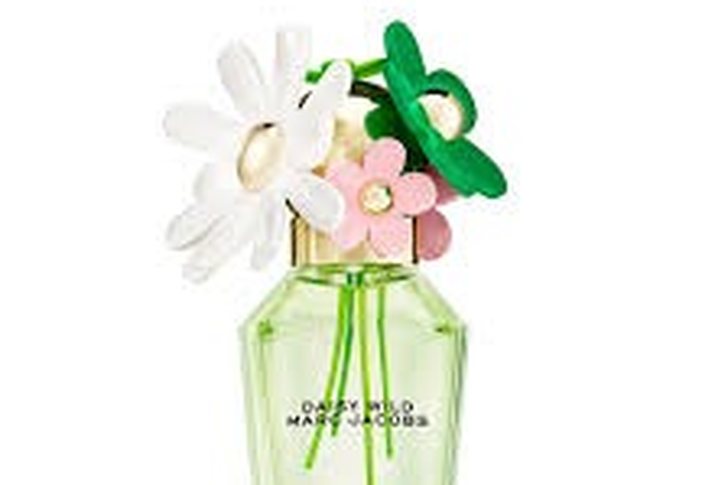
Fragrances are not only a way to express individuality, bu...

The Met Gala fashion event took place last week and this y...
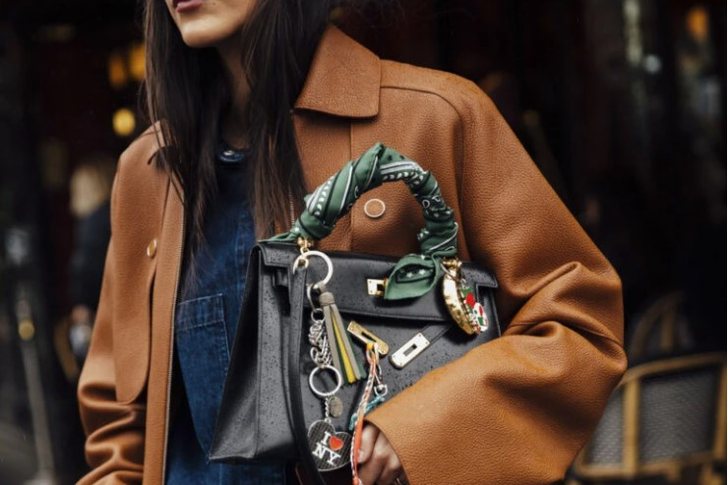
The unforgettable actress Jane Birkin became known in fash...
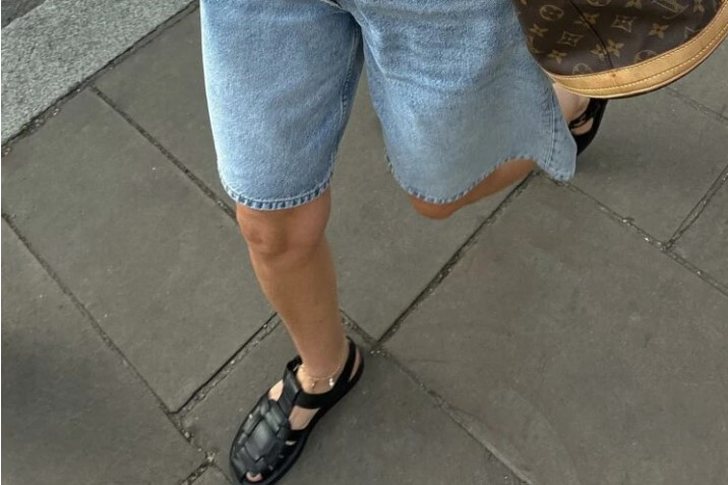
Sandals cannot be missing in this year's trends. If you a...

On the morning of July 7, 2026, the Ministry of Culture ur...
After the disclosure of the portfolio of properties an...

For 6 months now, CNA has been sending several letters to ...
The word "fatherland" with properties is not enough. The m...

The Special Board of Appeal (KPA) decided this Monday ...

The KPA vetting decided this Thursday to dismiss the p...

Suela Salavaçi, a prosecutor in the Prosecutor's Offic...

The Special Board of Appeal reinstated the prosecutor ...

A knife attack occurred this evening in Fushë-Krujë. Acco...

A 44-year-old man in Saranda has been seriously injured af...
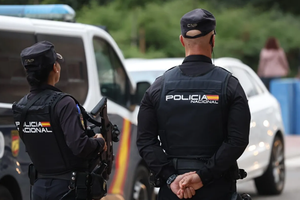
Spanish police have acted on an Albanian-Spanish criminal ...

New details have been revealed regarding the murder of Egl...

In Albania, in 2024, 8,911 beds were available in public h...
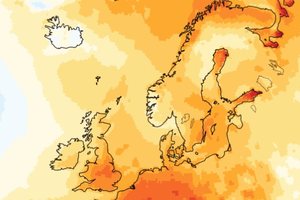
Albania was included in the band of above-normal temperatu...
Today, our country will be affected by mainly stable weath...
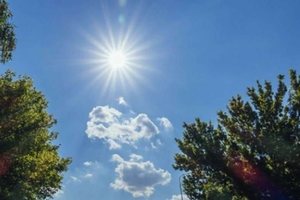
Today, our country will be affected by mainly stable weath...
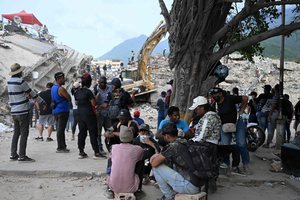
The death toll from two powerful earthquakes that struck V...
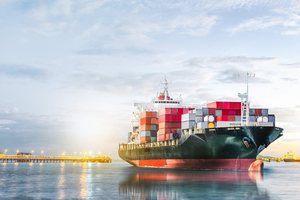
Oil prices rose to their highest levels in a month after t...
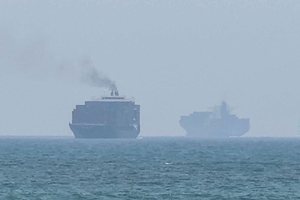
Iran has reacted to US President Donald Trump's statements...
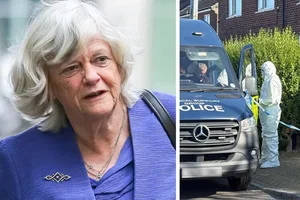
Counter-terrorism police have taken control of the investi...

The ninth edition of "MIK Festival" kicked off with one of...

A historic evening for Albanian culture was marked in the ...

When I turned 10, another building was built in front of o...
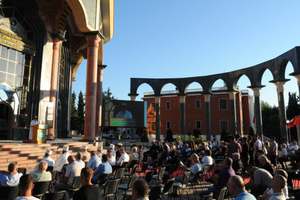
A special scientific conference was held by the World Bekt...
The tax administration has announced the completion of the...
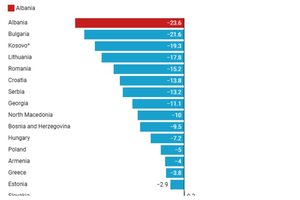
Albania has lost almost a quarter of its population since ...
This Monday, one US dollar is bought for 81.5 lek and sold...
This Sunday, one US dollar is bought for 81.5 lek and sold...