

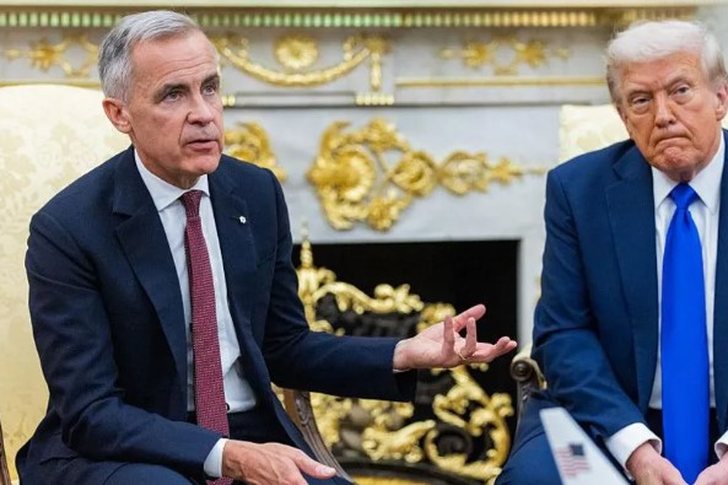
Trump cancels trade talks with Canada over Reagan video
US President Donald Trump has declared that he will immedi...


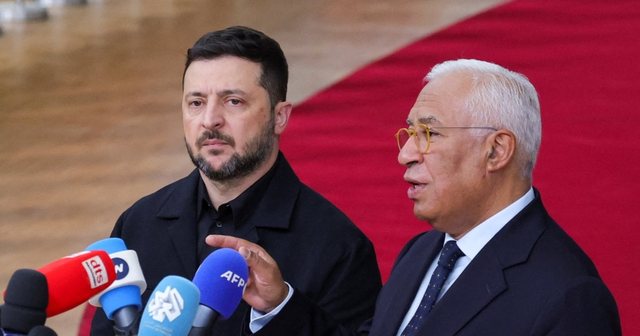
European Union leaders failed to reach an agreement on using frozen Russian state assets to help Ukraine after Belgium - the country where most of the funds are held - raised legal and technical concerns.
At a meeting in Brussels on October 23, leaders urged the European Commission to continue work on a plan to use some 140 billion euros from Russia's Central Bank's frozen reserves to support Kiev with its military and budgetary needs, but some diplomats said a final agreement remained out of reach.
"European leaders pledged that Ukraine's financial needs will be covered for the next two years," European Council President Antonio Costa said after the summit.
"Russia should get this message. Ukraine will have the financial resources it needs to defend itself from Russian aggression," he added.
Costa stressed that it is possible to resolve the technical issues that require clarification to enable the use of frozen Russian assets, underlining that "this solution is achievable."
The European Union froze around 200 billion euros of the assets of the Russian Central Bank after Moscow's invasion of Ukraine in 2022.
So far, the EU has only used the interest generated by these funds to support Ukraine in defending itself against Russia.
Moscow warned on October 23 that any action with Russian assets without its consent is "invalid from the point of view of international and contractual law" and will "incite painful responses."
The European bloc developed this loan scheme after facing pressure to provide additional aid to Kiev, as American support slowed after Donald Trump's return to power.
Under the scheme - which the European Commission insists will not affect Russian sovereign assets - the European Union would borrow funds from the company Euroclear.
Then, the bloc would give this money to Ukraine as a loan, which would only have to repay the loan if Russia pays for the damages it has caused in Ukraine.
Most of the assets in question are located in Belgium, whose Prime Minister, Bart De Wever, said there are still some concerns.
De Wever has insisted that, to move forward, Belgium needs strong guarantees from all other EU states that they will share responsibility if Moscow demands compensation.
He also wants other EU countries to promise to start using frozen Russian assets in their own countries.
"I am just small and poor Belgium; the only thing I can do is point out where the problems are and gently seek solutions to the underlying problem," De Wever told reporters after the summit.
He warned that, as long as these conditions are not met, he will do everything possible "politically and legally, to stop this decision."
The summit conclusions, which were approved by all member states except Hungary, were watered down due to objections from Belgium.
The final text did not directly mention the loan, but invited the Commission to present “options for financial support” for Ukraine for the years 2026 and 2027.
These options will be presented to leaders at the upcoming summit in December.
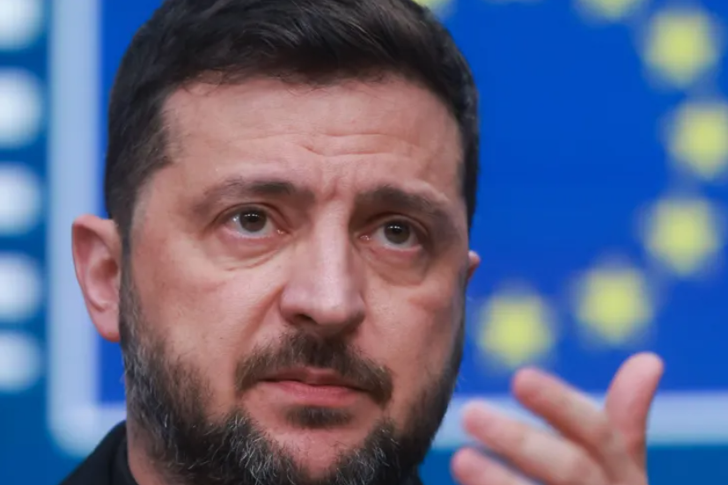
Ukrainian President Volodymyr Zelensky, who attended the summit as a guest, nevertheless praised the meeting, saying it "brought good results."
"The European Union guaranteed that financial assistance to Ukraine will continue not only next year, but also in 2027," Zelensky said on the X platform.
"This is an important unanimous decision. We have secured political support for the maximum use of frozen Russian assets to protect ourselves from Russian aggression," he added.
German Chancellor Friedrich Merz, one of the supporters of this scheme, said he expects the Commission to present different options before the next EU summit.
"We are increasing pressure to get the Russian side to accept talks, so that the guns fall silent in Ukraine once and for all," Merz said.
The EU talks took place a day after the bloc adopted its 19th package of sanctions against Russia and after the United States imposed sanctions on two major Russian oil companies./ REL

US President Donald Trump has declared that he will immedi...
Portland Trail Blazers coach Chauncey Billups and Miami He...
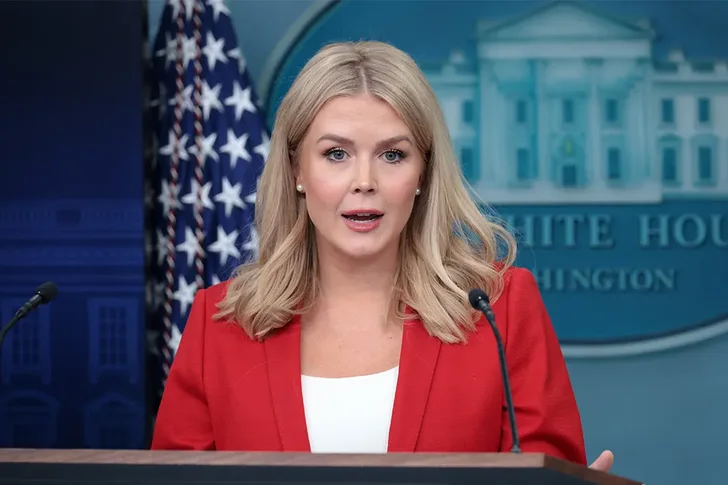
White House Press Secretary Caroline Leavitt said today th...

Portland Trail Blazers coach Chauncey Billups and Miam...
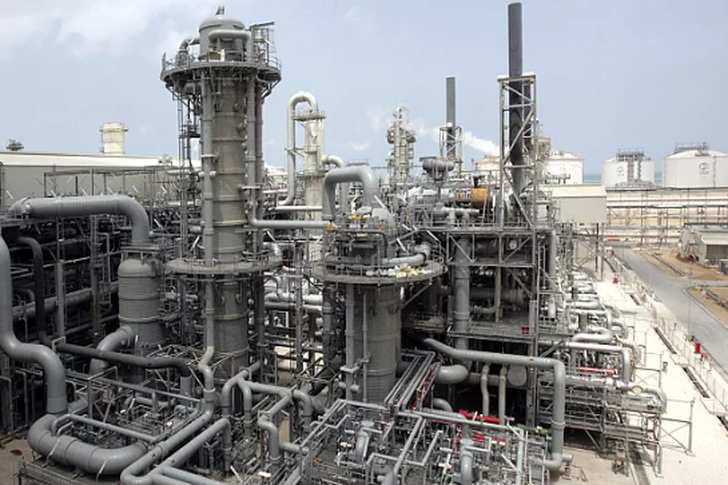
Both countries called on the EU to either repeal the law e...
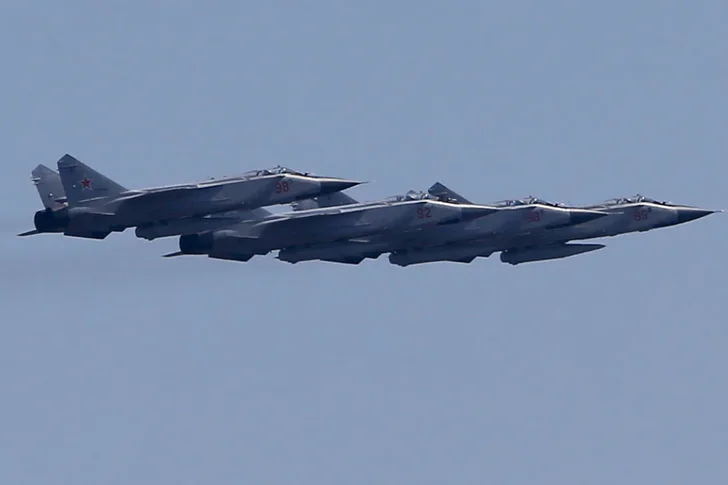
Two Russian military aircraft violated Lithuanian airspace...
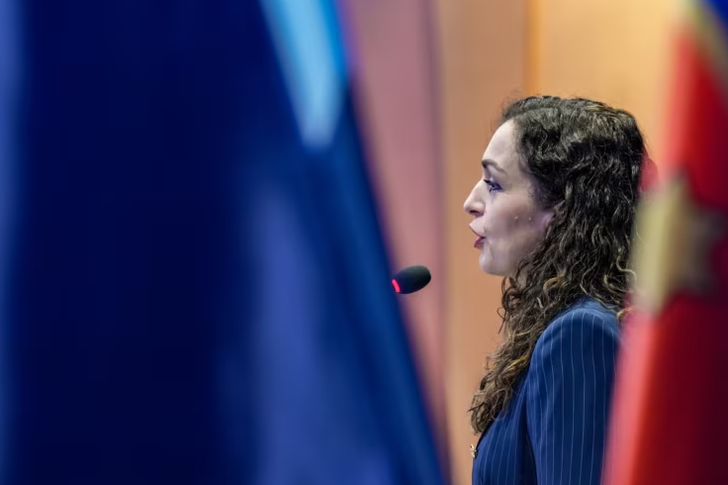
The President of Kosovo, Vjosa Osmani, said that it is tim...
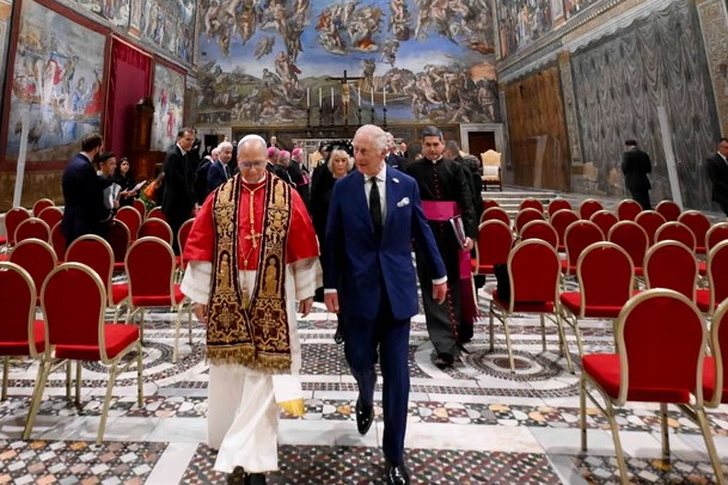
King Charles III has made history by becoming the first re...
Spanish authorities have said the body of a 56-year-old ma...

Two Ukrainian journalists were killed and a colleague was ...
Ukraine's president has asked the European Union to suppor...
Depression and anxiety are the most prevalent conditions i...
A video showing the looters of the Louvre museum is circul...
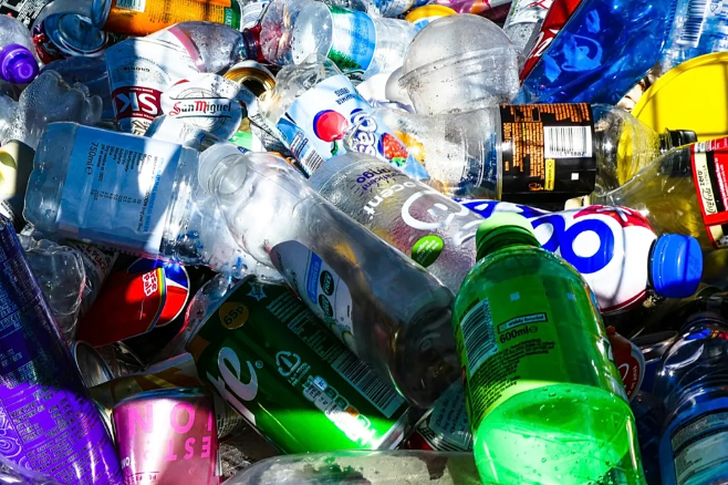
In 2023, the EU generated 79.7 million tonnes of packaging...
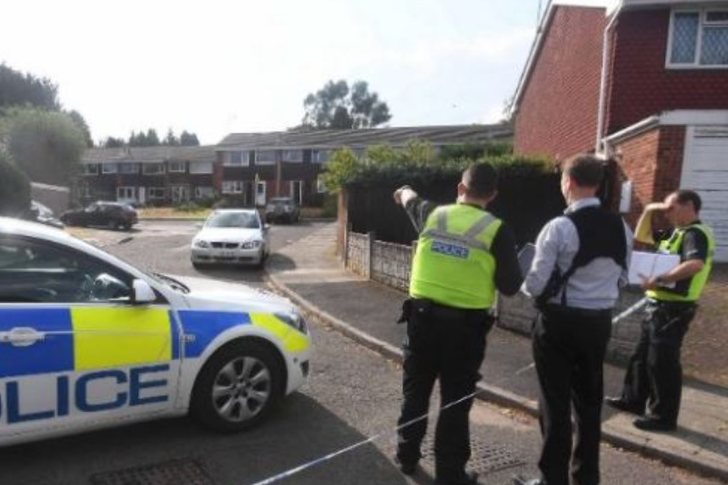
Authorities in the United Kingdom have arrested three peop...
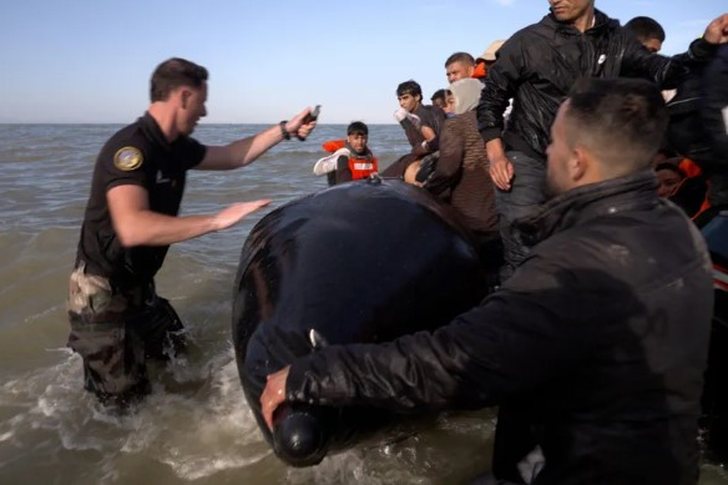
France is backing away from a commitment to stop dinghies ...
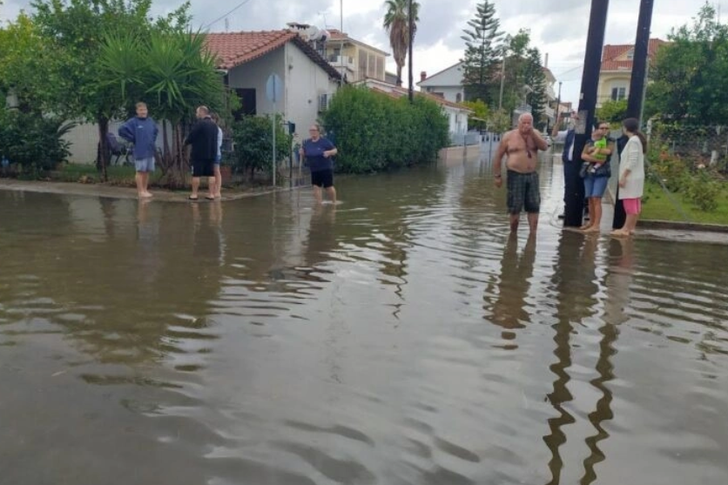
A new wave of bad weather has hit several areas in the nei...
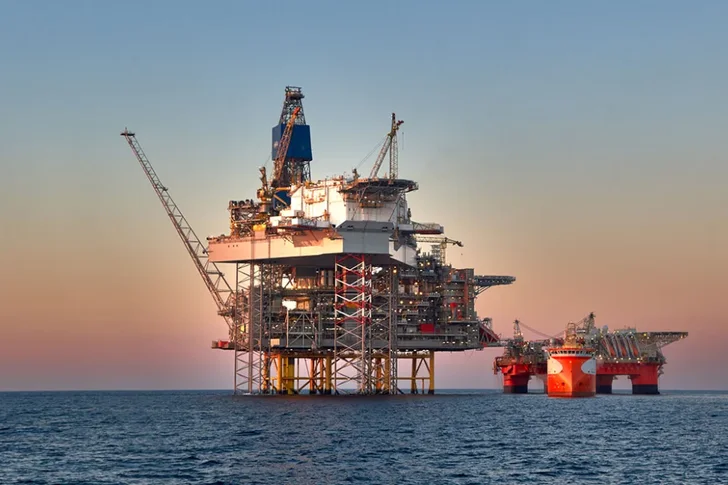
China's major state-owned oil companies are suspending pur...
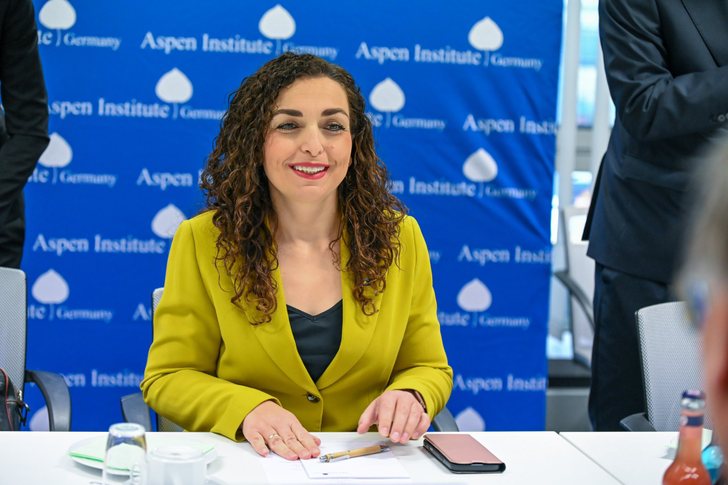
Kosovo President Vjosa Osmani has delivered her speech at ...
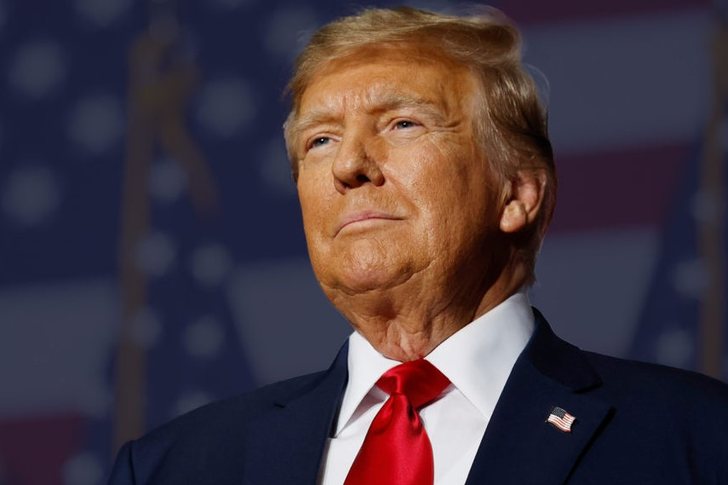
US President Donald Trump has warned Israel that it would ...

CNA has launched another investigation that could lead to ...

Irfan Hysenbelliu is a businessman that we call "Irfan the...

In March 2026, CNA launched another investigation centered...
The arrested mayor of Tirana, Erion Veliaj, with 13 charge...

The Special Board of Appeal (KPA) decided this Monday ...

The KPA vetting decided this Thursday to dismiss the p...

Suela Salavaçi, a prosecutor in the Prosecutor's Offic...

The Special Board of Appeal reinstated the prosecutor ...

Three people were shot and wounded in Elbasan last night b...

A serious incident occurred this Tuesday in the Yrshek are...

An accident occurred this Tuesday on "Dituria" street in K...
A tourist has lost her life on Orikum beach, where she was...
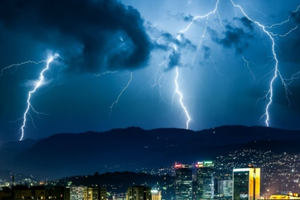
All of Southern Europe will face changing weather conditio...
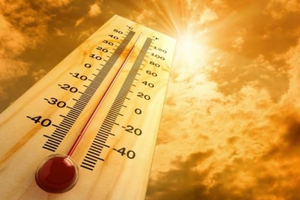
Albania was hit by temperatures significantly higher than ...

For the first time, Pogradec welcomed the Inter-Lake Chess...

Albania has achieved a record for the employment of foreig...

Greece has taken several emergency measures to protect wor...

An operation led by Europol, through authorities in severa...
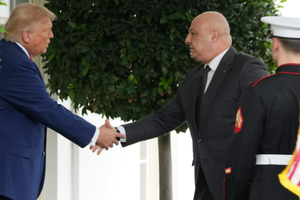
US President Donald Trump hosted the Lebanese president at...
The European Union has criticized the decision of the acti...

At a time when industrial products are increasingly taking...

Trust among people is not just a three-syllable word. It c...

Master of humor Todi Llupi has passed away at the age of 7...

The ninth edition of "MIK Festival" kicked off with one of...
The Centralized Purchasing Operator recently opened a tend...
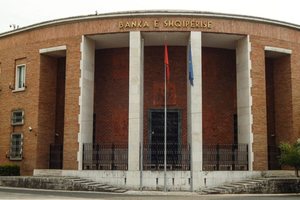
The new draft law "On the Bank of Albania" provides that t...
This Tuesday, one US dollar is bought for 81.2 lek and sol...
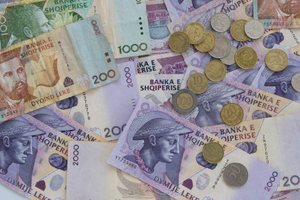
Deputy Minister of Economy and Innovation, Enkelejd Musabe...