


MP's denunciation: Edi Rama has created the internet police, citizens are being threatened
DP MP Belind Këlliçi has published the messages that a cit...

DP MP Belind Këlliçi has published the messages that a cit...


Opposition MP Bujar Leskaj has harshly criticized in the Assembly the normative act for reviewing the budget, describing it as a practice that contradicts the standards of the rule of law, weakens parliamentary control over public finances and creates a dangerous precedent for governance through the exception of the law.
Referring to OECD standards for budget transparency, Leskaj stressed that changes to the budget through normative acts should be rare, justified and approved by parliament, while reviews during the year should guarantee democratic control and full transparency. According to him, the government is deliberately avoiding parliamentary debate.
Leskaj stated that, despite the "technical tricks" used by the Ministry of Finance, the normative act does not bring any fundamental change in macroeconomic parameters. The Gross Domestic Product and the deficit level remain unchanged, which, according to him, indicates the lack of a new fiscal policy and simply an internal transfer of funds to cover failures in budget implementation.
He raised concerns about the significant reallocations within expenditures, which, according to him, are not based on development priorities or social needs, but on emergencies created by the government itself.
"This decision, this practice, contradicts the standards of the rule of law, weakens democratic control over public finances and creates a dangerous precedent for governance through exception rather than through law. Likewise, the revision of the budget by normative acts violates OECD principles and the ongoing recommendations of the International Monetary Fund."
I am quoting here from the OECD Budget Transparency, Chapter A.4, “Supplemental Budget”, which states that acts with legal force that change the budget should be rare, justified and require parliamentary approval, and Chapter C3, “Parliamentary Approval of the Budget”. Budget changes during the year should be reviewed and approved by parliament to ensure parliamentary control and clear transparency.
Even the technical artifices successfully used in this case by the Minister of Finance, in my opinion, do not cover the misgovernance and misplanning of the entire government in an integral sense. On the other hand, this normative act does not bring about a fundamental change in the macroeconomic parameters of the debt, which is also given in the accompanying relation. I emphasize here, the nominal value of the gross domestic product remains unchanged, indicating that the government has no new assessment of the real performance of the economy.
The government, yes, and the fact that the budget deficit budget measure, determined only two months ago with the normative act of October 2005 and others, does not change either, shows that it is not that we have built any new fiscal policy, but that internal transfers of funds are simply being carried out to cover failures in budget implementation. I am not analyzing revenues that do not address informality or evasion, but since these are in the same ratios, I am focusing on expenditures.
We have significant reallocations, which, if you look at them and analyze them calmly, are essentially indicators of profound mismanagement. Although total expenditures do not change, within them there is a shift of funds that is not based on development priorities or social needs, but on emergencies created by the government itself and its specific segments.
The increase in central government operating expenses by 54 million euros (or 6.8%) is one of the most worrying elements of this normative act, in a country where public services are lacking, where schools and hospitals have unmet basic needs, and support for farmers and small businesses is minimal. The government chooses to increase the administration's operating expenses. And this increase is not accompanied by transparency. The argument that part of these funds go to support schemes, court decisions or the state police is not enough. These should have been foreseen in time, right from the budget planning. On the contrary, this argument requires detailed clarification for each budgetary institution, and in the absence of these clarifications, there remains a strong suspicion that our government will not give up government luxuries, unnecessary expenses and a culture of bloated administration.
Another problematic element is the allocation of an additional 12.3 million euros for unconditional transfers to local government units, in order to settle arrears. Liabilities which do not include those created by natural disasters or anticipated crises, and in my opinion, considering that you run most municipalities yourself as a political force, we are dealing with a political reward for incompetence and abuse.
In the social field, the 10.5 million euro supplement for economic assistance and disability is limited only to year-end bonuses and is extremely late. There is no structural reform and no effort to address deep poverty. I emphasize here, the government is deaf to the definition of the minimum living wage by law. I recall that in the most recent definitions of the World Bank, the minimum poverty level is $ 8.3 per day. The government chooses to give bonuses, not to build sustainable policies.
In this context, I recall dozens of social amendments that were proposed by the opposition within the 2026 budget and which were systematically rejected, showing a lack of will to support the most needy strata. Even more serious is the situation of former political persecuted. No change in funding, maintaining the level of 14 million euros for 2025. I recall that in 2013, the government had allocated 30 million euros for this category.
The government should increase the funds for former political prisoners, as with these figures, it is very clear that it will take 20 years for their fair, legal, constitutional, moral and political compensation to be completed. The reconstruction fund also remains unchanged, without any information on the progress of the projects, the facilities under construction and the financing for each of them. The reconstruction after the November 2019 earthquake should have been a closed process within two to three years, as was publicly promised, but still today, six years later, there is talk of completion in 2028. This situation raises serious doubts about abusive tenders, clientelism, deliberate delays and lack of transparency in the distribution of housing to the affected families.
The reduction in public investments by 52 million euros is another clear indicator of the failure in the implementation of projects. The government is not saving because it has optimized spending, but because it is unable to complete and implement the projects it has planned.
In the end, the Albkontrol case and the Beketi case are the most blatant example of the cost of government arrogance and corruption. In recent months alone, over 70 million euros have been poured from the state budget to cover the consequences of an arbitration decision that was once publicly minimized by you. Albanian citizens are today paying the bill for your political mistakes and lack of accountability.
"So, in conclusion, this normative act does not address the focus on determining the living wage. The defined living wage means that the minimum pension will automatically increase, and pensioners will not need bonuses or your handouts. This normative act does not address the health crisis and the exodus of doctors," Leskaj declared. / CNA


The Special Prosecution Office has closed the investigatio...
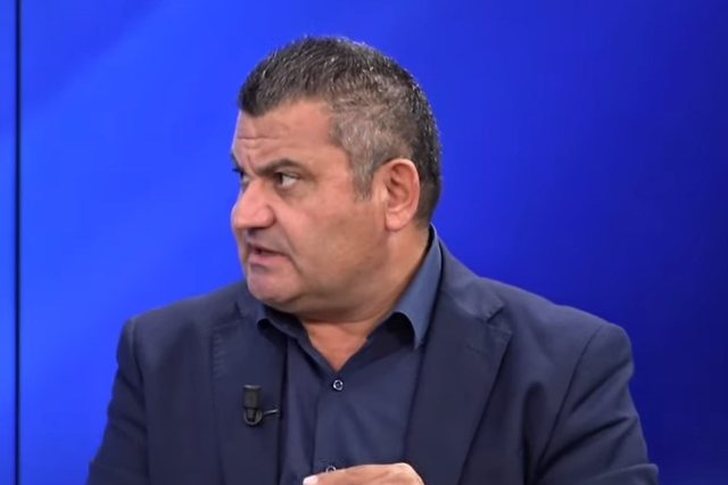
Journalist Mentor Kikia has reacted through a post on soci...
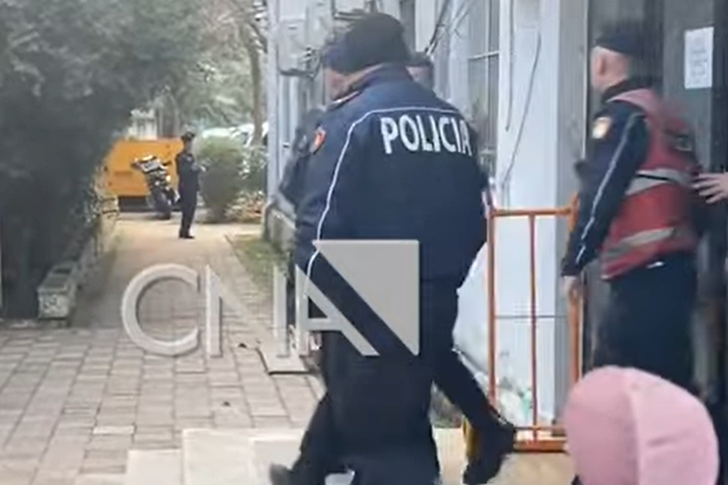
CNA has obtained footage of the conflict in front of the T...
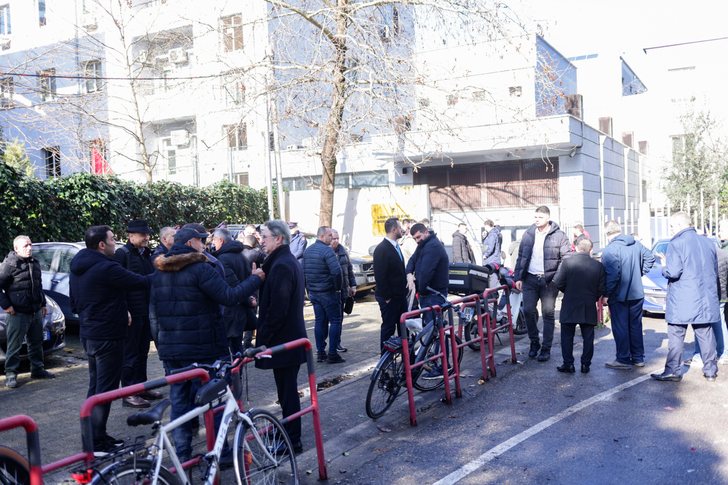
The Tirana Court has relaxed the security measures for the...
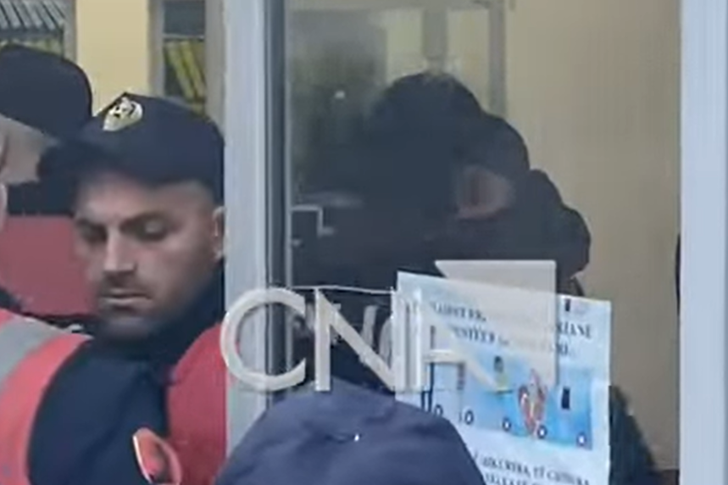
Tensione në Gjykatën e Tiranës. Një person është konfliktu...
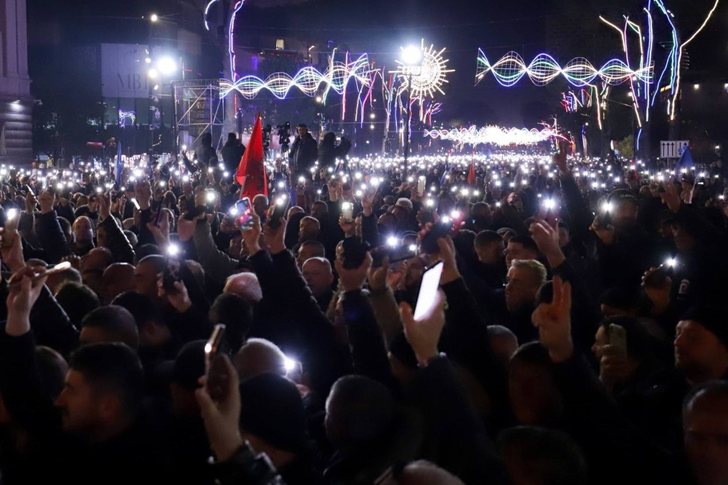
The Tirana Court has decided to ease the security measures...
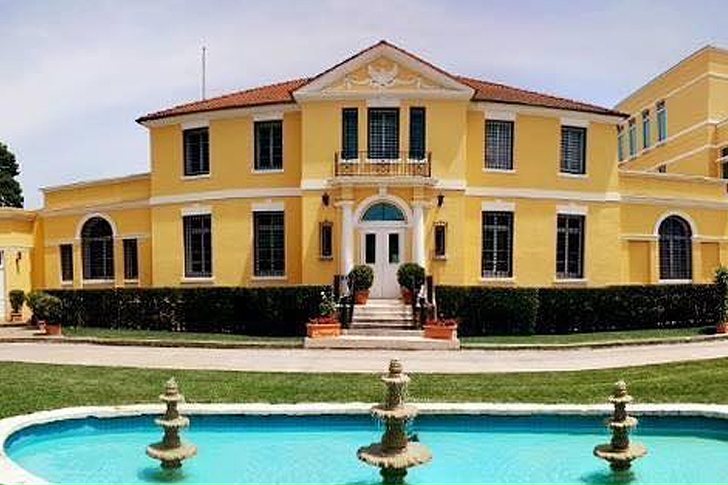
The US Embassy in Tirana shared a remembrance today on Int...
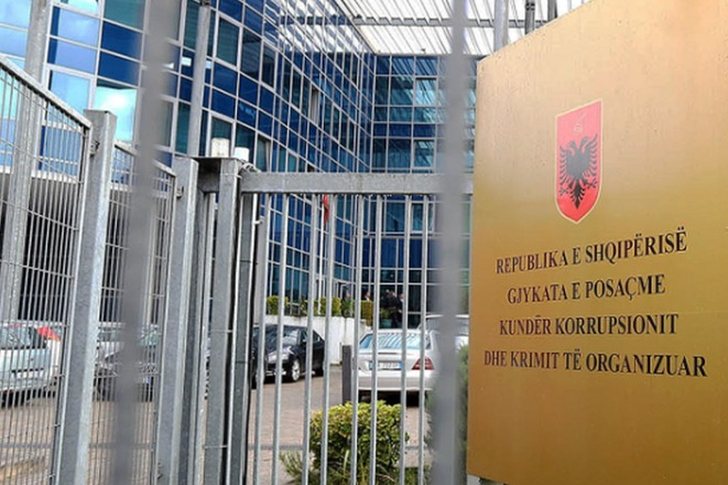
Gjykata e Apelit të Posaçëm vendosi lënien në fuqi të vend...
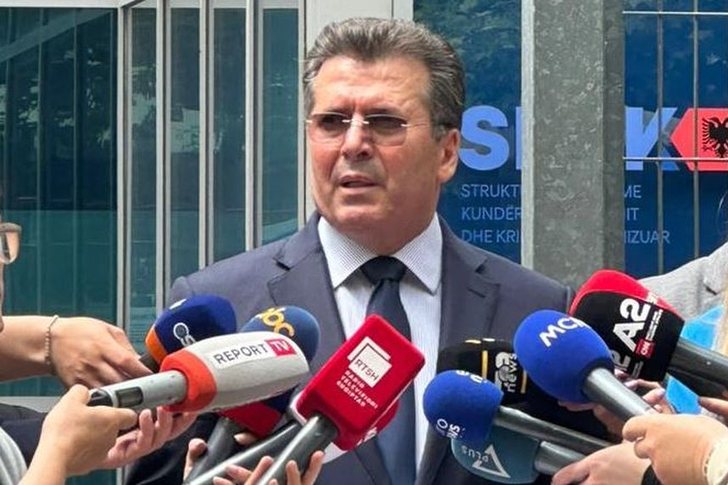
The hearing of the "Gërdeci" case against former minister ...
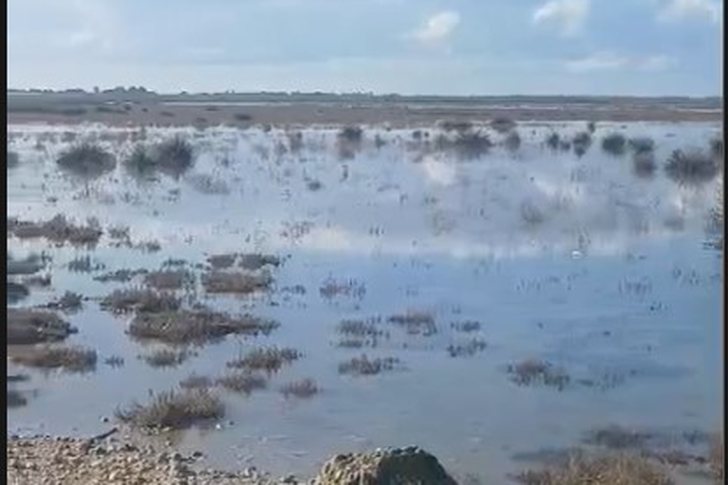
The Karavasta area continues to be flooded today. Entire ...
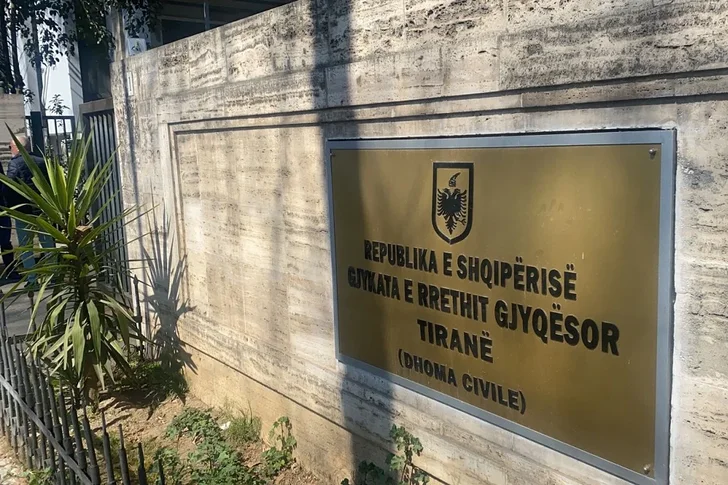
The Tirana Court is holding a hearing today on the securit...
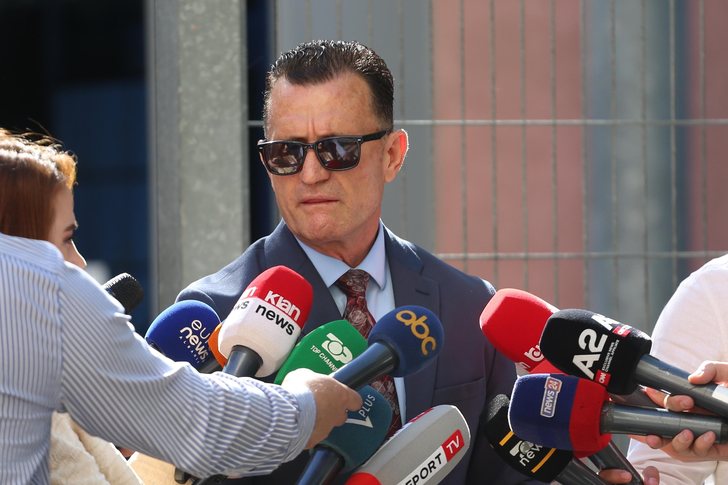
Kujtim Cakrani, the lawyer of former President Ilir Meta, ...
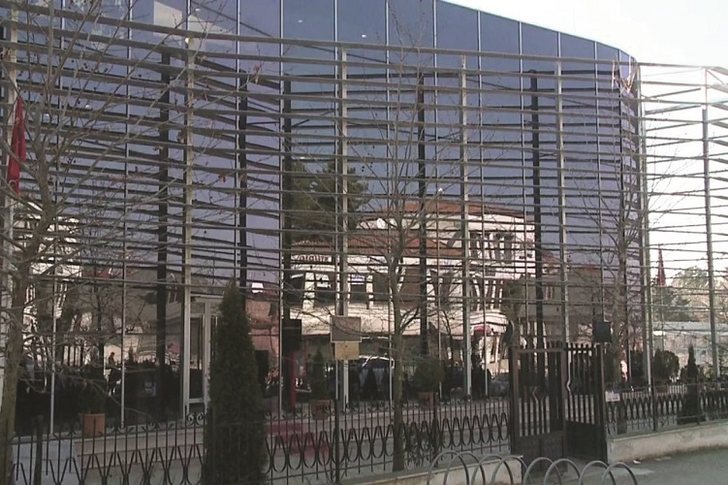
The Korça Prosecutor's Office is conducting numerous inves...
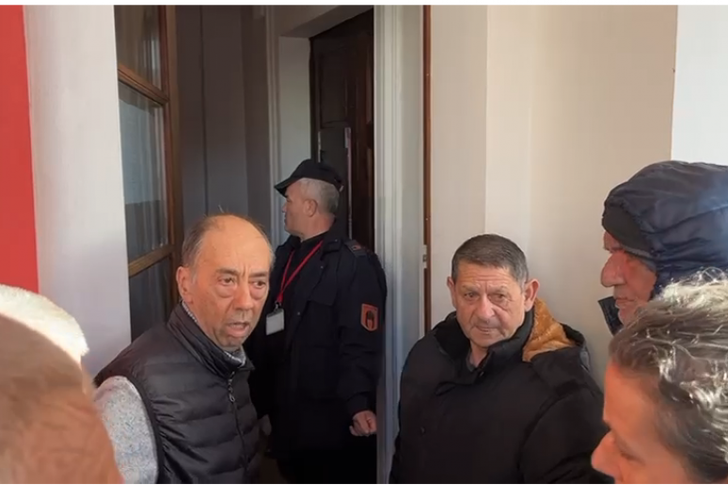
Vlora merchants have risen up in protest today. The reason...
Former MP Mark Marku commented on the opposition protest t...
Journalist Mentor Kikia commented this evening on the prot...
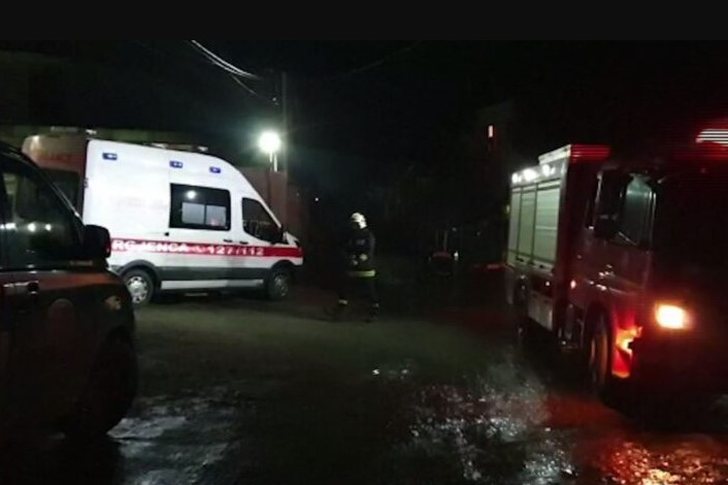
A house was engulfed in fire this evening in the city ...
Analyst Armand Shkullaku spoke this evening regarding the ...
Former DP MP, Myslim Murrizi, spoke this evening regarding...
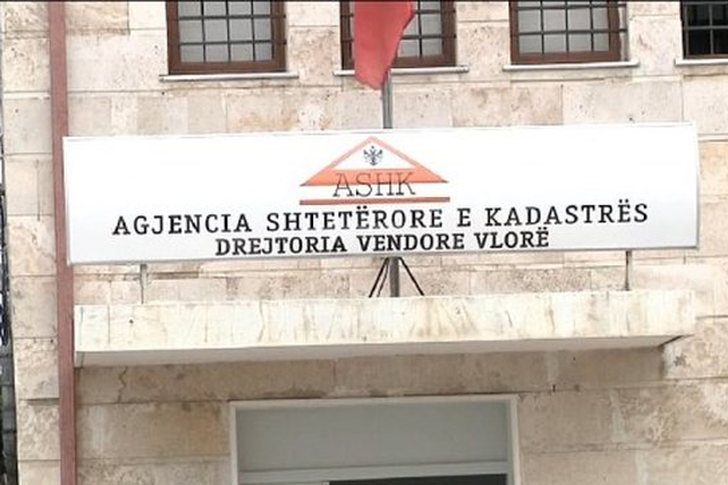
The Vlora Bar Association has reacted to the decision to t...
Erion Isufi is the man known in the media as Lulzim Basha'...
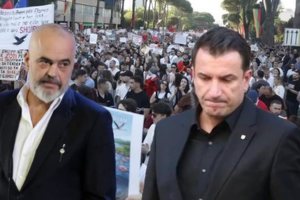
There have been 12 days of protests in the capital, which ...
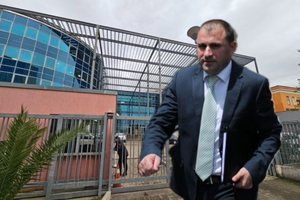
Dritan Prençi is the SPAK prosecutor who is sleeping on th...
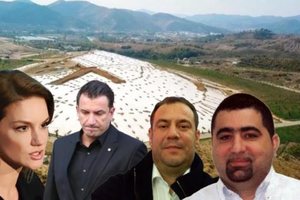
The in-depth investigations that SPAK conducted into Ajola...

The Special Board of Appeal (KPA) decided this Monday ...

The KPA vetting decided this Thursday to dismiss the p...

Suela Salavaçi, a prosecutor in the Prosecutor's Offic...

The Special Board of Appeal reinstated the prosecutor ...
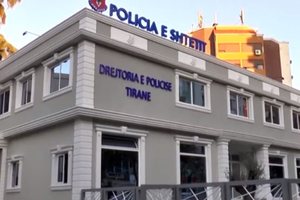
Criminal proceedings have been initiated against 16 protes...
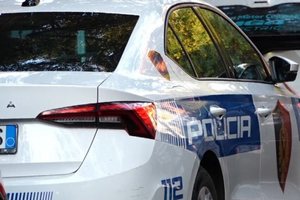
SN, who was raped today with his wife near his apartment i...
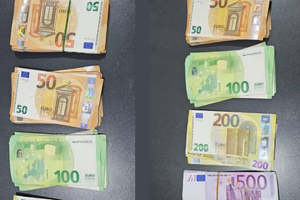
An operation carried out by Durres Customs in cooperation ...
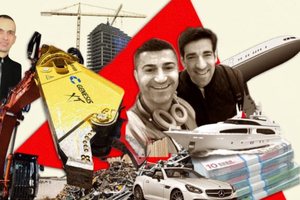
The crackdown on Albanian cocaine trafficking "lords" by S...

On Wednesday, our country will be affected by relatively s...
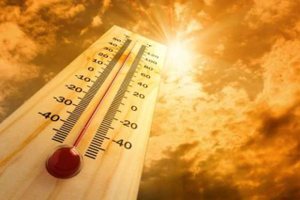
Meteorologist Tanja Porja shared some predictions today re...
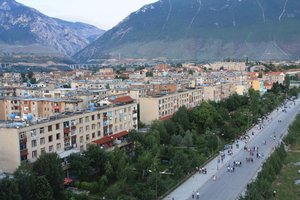
The large regions of Northern Albania are experiencing a s...
On Tuesday, our country will be affected by relatively sta...
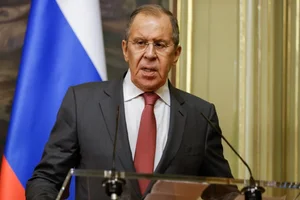
Moska mbështet marrëveshjen midis Shteteve të Bashkuara dh...
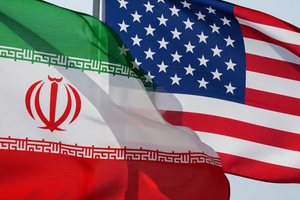
The US and Iran are expected to officially sign a memorand...
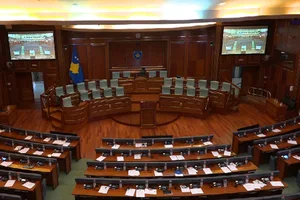
The Vetëvendosje Movement has secured 53 seats in the Koso...
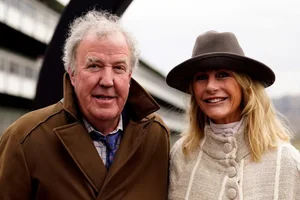
Television presenter Jeremy Clarkson has revealed that he ...
This Wednesday, the prominent actor of Albanian cinema, Gj...
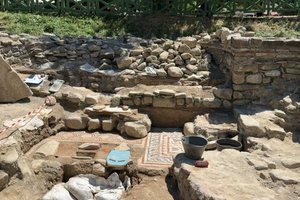
Several archaeological excavations conducted during this s...
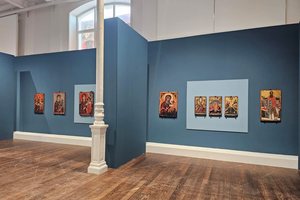
At the Museum of Fine Arts in Chambéry, France, an exhibit...
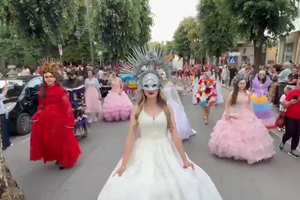
Korça has transformed this weekend into the capital of cel...

The Albanian economy is facing a new increase in inflation...
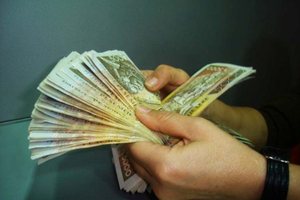
Total revenues for the period January-May 2026 reached aro...

In a sector where the number of visitors continues to grow...
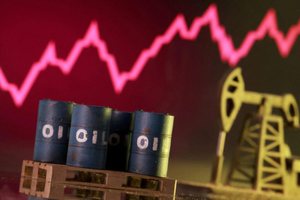
Oil prices have fallen to their lowest level in nearly 15 ...