

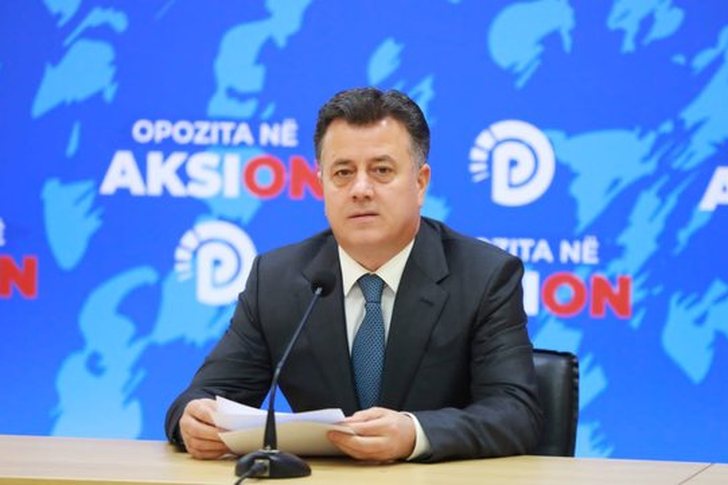
"The Socialists haven't seen anything yet"/ Noka: A super powerful protest will be held on February 10th
The Secretary General of the Democratic Party, Flamur Noka...


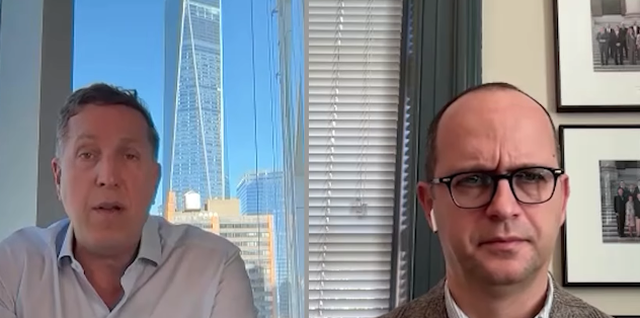
Ditmir Bushati and Albanian-American Donald Leka held a conversation at the launch of the new season of the 'Public Square' podcast on 'Artificial Intelligence and the Coming Wave'.
During the conversation, the impact that this important technological development has on geopolitics was emphasized, which is evident at the regional level and beyond.
Bushati: Donald, I sometimes use artificial intelligence, but we usually use it with information that has been collected from the past. As far as I understand, the focus of your work is mainly related to the future?
Leka: We have been very focused on advance intelligence, and specifically on predicting, for example, geopolitical events in the world; events that affect supply chains, that affect markets, stability within jurisdictions, bilateral stress between jurisdictions. So, it could be at a local level with neighboring countries or regional countries; it could also be with regional powers that have significant influence within a region, as well as geostrategic players like the United States and China, and from a military standpoint Russia, or from a destabilization standpoint there.
And if you look at artificial intelligence today, there's also been a big focus on two other areas: one is data centers, and data centers require huge capital investments. And not just for the data centers, but for the supporting infrastructure, the power grid, and everything that supports them. And of course robotics is another area. So robotics benefits enormously from as much information as possible in terms of the natural or physical world.
And the kind of data that we're talking about, and this is an important point, is that LLMs rely heavily on data that's just online, or let's say academic studies, expert opinions in universities, but it's all in the realm of language, it's all verbal. We rely heavily on sensor data, which you could think of as data that's not manipulated by human beings, or hyper-local data within jurisdictions.
The second aspect of our data is that it is cross-sectional. So an isolated approach to understanding the precursors to an event has consistently failed. And the consequences of these kinds of failed predictions, whether by government policymakers or corporations, in the case of governments, they can result in the deaths of millions of people or the displacement of millions of people as refugees or IDPs in countries.
In terms of the corporate side, this can result in making investments or committing to certain strategies that, if you had all the data, you would know in advance that that strategy wouldn't work. So the idea is really to give decision makers the best possible information so that they can make the best possible decisions. They can reduce risk and they can increase alpha or opportunity. /CNA

The Secretary General of the Democratic Party, Flamur Noka...

Democratic MP Edi Paloka declared today that the main goal...
The Vice President of the Democratic Party, Luciano Boçi, ...
Democratic MP Xhelal Mziu today accused Prime Minister Edi...
Democratic MP Luan Baçi spoke today regarding the oppositi...
Kreu i PD-së, Sali Berisha, ka zbuluar se protesta e radhë...

Adriatik Lapaj, the man who promised and came out beating ...
DP MP Belind Këlliçi has reacted after Prime Minister Edi ...
During a meeting with farmers in Divjaka, Prime Minister E...
The EP rapporteur for Albania, Andreas Schieder, has expre...
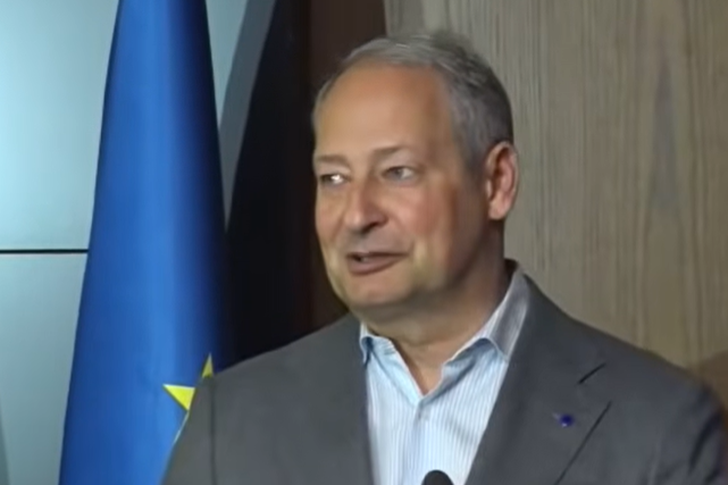
The EP rapporteur for Albania, Andreas Schieder, has criti...
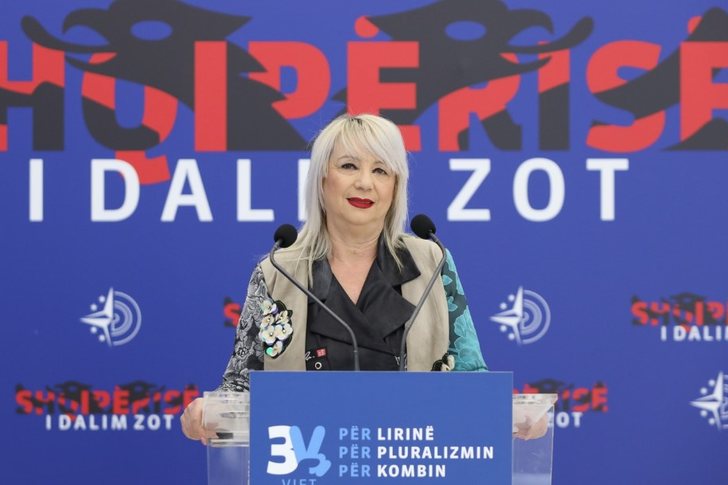
Lawyer Adriana Kalaja has reacted sharply to Agron Shehaj'...
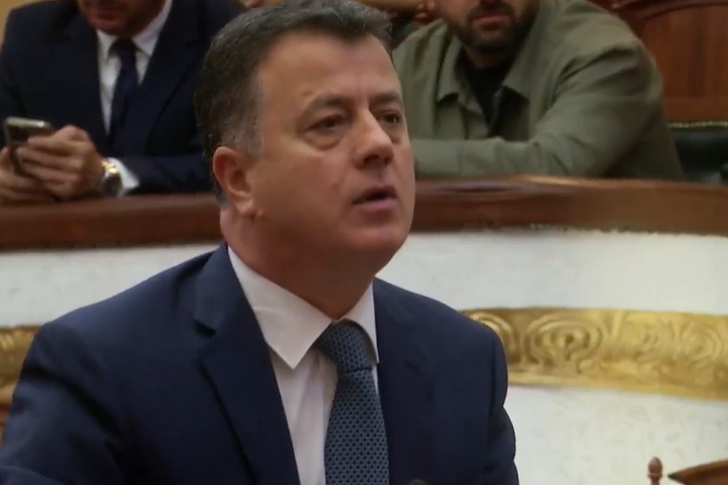
In a conversation on the show "Të Paekspozuarit" with DP S...
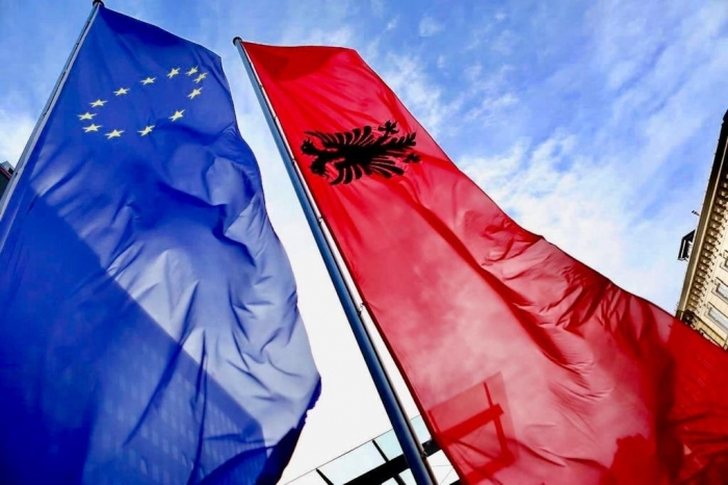
The Albanian government has approved the Schengen Action P...

Democratic Party MP Ivi Kaso raised questions today about ...
Political scientist Afrim Krasniqi said today that the Alb...

The leader of the "Albania Becomes" Movement revealed toni...
The leader of the Mundësia party, Agron Shehaj, has emphas...
Politician Dashmir Shehi shared his critical stance regard...
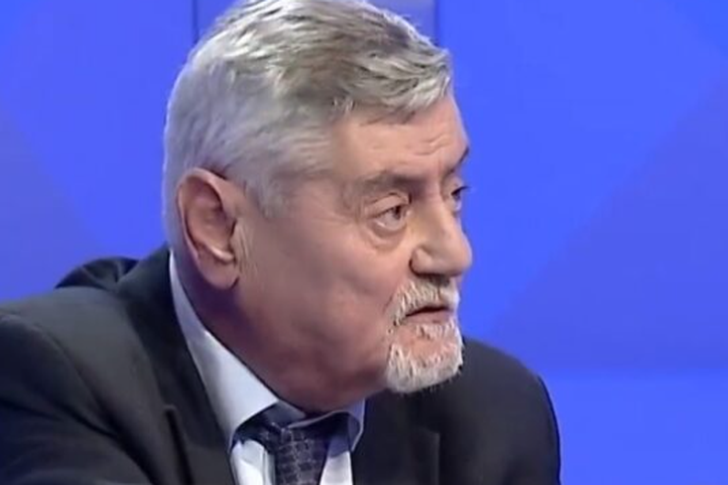
The head of the LZHK, Dashamir Shehi, invited to the show ...
The in-depth investigations that SPAK conducted into Ajola...
SPAK's standards, the way it investigates, how it secures ...

Irfan Hysenbelliu claims to be a big businessman, an hones...

The murder of officer Enea Mekolli in the line of duty has...

The Special Board of Appeal (KPA) decided this Monday ...

The KPA vetting decided this Thursday to dismiss the p...

Suela Salavaçi, a prosecutor in the Prosecutor's Offic...

The Special Board of Appeal reinstated the prosecutor ...
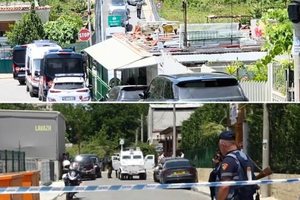
Other details have been revealed from the crime that occur...

Policia e Tiranës ka ndarë pak minuta më parë një thirrje ...

A violent conflict occurred between two people in Velipoja...

The police have reacted to the murder of citizen AB in Kam...

On Monday, our country will be affected by relatively stab...

More than 860 million people fall ill and 1.5 million die ...
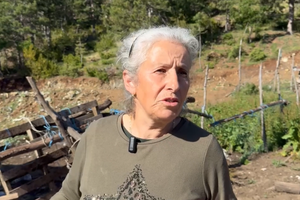
The mother of Violand Braçellari, the perpetrator of the s...

The modern European traveler seeks a meaningful connection...
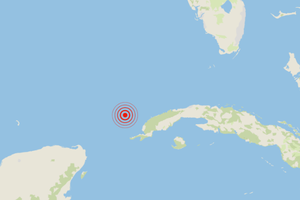
A magnitude 6.1 earthquake was recorded about 118 kilomete...
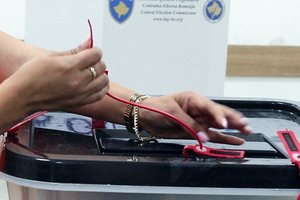
The Central Election Commission (CEC) plans to announce th...
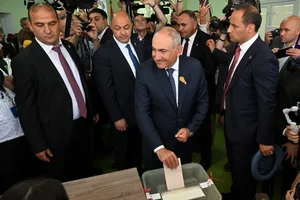
The party of Armenian Prime Minister Nikol Pashinyan has w...

US President Donald Trump held a telephone conversation wi...

Korça has transformed this weekend into the capital of cel...

Korça is ready to open the summer season with one of the c...

Two years after his passing, the renowned Korçë poet Skënd...

The Ethnographic Museum of Berat has opened its doors to v...
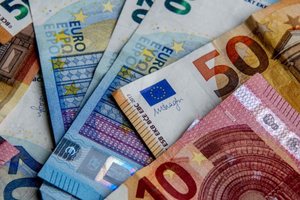
At the end of 2025, for all euro area members, more than 9...
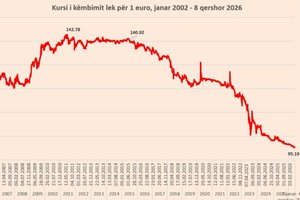
Kursi i këmbimit mes euros dhe lekut e ka nisur javën në r...

The construction sector is going through a challenging per...

This Monday, one US dollar is bought for 81.8 lek and sold...