

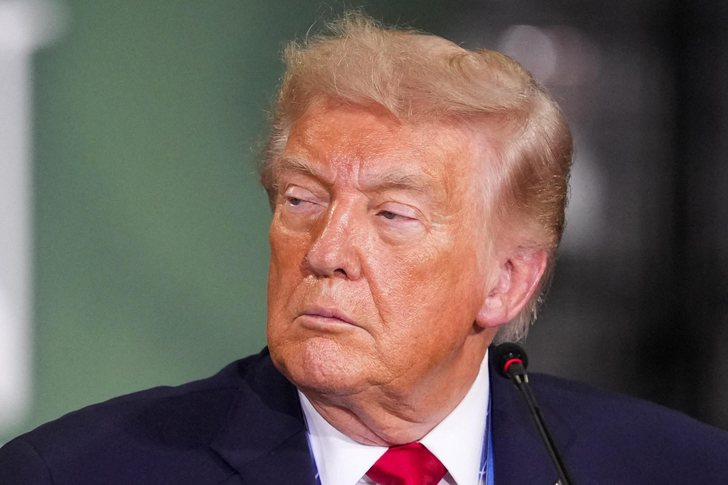
Trump optimistic about deal with Iran: Strait of Hormuz could open within 2-3 days
US President Donald Trump has expressed optimism about rea...



The European Union is entering a new phase of migration management, as the full implementation of the Pact on Migration and Asylum begins on June 12.
A few days before the new rules come into force, the European Council and the European Parliament reached an agreement on the Return Regulation, which aims to speed up deportation procedures and create so-called "return centres" outside EU territory for migrants without the right to stay.
The pact, adopted in 2024 and accompanied by a two-year transition period, aims to reform the way the EU manages migration, asylum and border control.
According to the European Union Agency for Asylum (EUAA), the new measures will increase the efficiency of the system through unified procedures, stronger border controls and the use of digital technology to monitor migratory movements.
The reform comes at a time when the EU is facing major migration challenges. According to Eurostat data, around 4.2 million people from outside the EU migrate regularly to the union each year, while in 2025 over 669,000 first-time asylum applications were registered.
At the same time, Frontex reported more than 178,000 irregular entries at the EU's external borders.
One of the main problems remains the low rate of repatriation. Although member states issue over 117,000 removal orders every quarter, only around 34,000 people are actually returned to their countries of origin.
This means that approximately three out of four migrants who are ordered to leave remain within EU territory, often in an unclear legal situation.
The pressure is particularly high in border countries such as Italy, Greece, Spain and Malta.
In the past, reception centers such as those in Lampedusa and the Moria camp in Greece faced severe overcrowding, far exceeding planned capacities.
Processing asylum applications requires security checks, translation, legal assistance, and interviews, processes that often take months or years.
The EUAA announces that it currently has around 1,300 staff deployed in 12 member states and that it will gradually increase operational support to assist national authorities in implementing the new rules.
A key element of the reform is changing the old Dublin system, which assigned responsibility for processing asylum claims to the first country a migrant entered.
This mechanism was criticized for placing a disproportionate burden on Mediterranean countries. The new pact aims for a fairer distribution of responsibilities among member states and greater coordination at the European level.
However, civil society organizations have raised concerns about the impact of the new measures on the rights of migrants and asylum seekers.
On the other hand, the European Commissioner for Home Affairs and Migration, Magnus Brunner, has described the agreement as an important step towards establishing "order in the European house".
As the deadline for full implementation approaches, the key question remains whether member states have the administrative, financial and infrastructural capacities to deliver on the promises of the EU's biggest migration reform in decades./ CNA

US President Donald Trump has expressed optimism about rea...
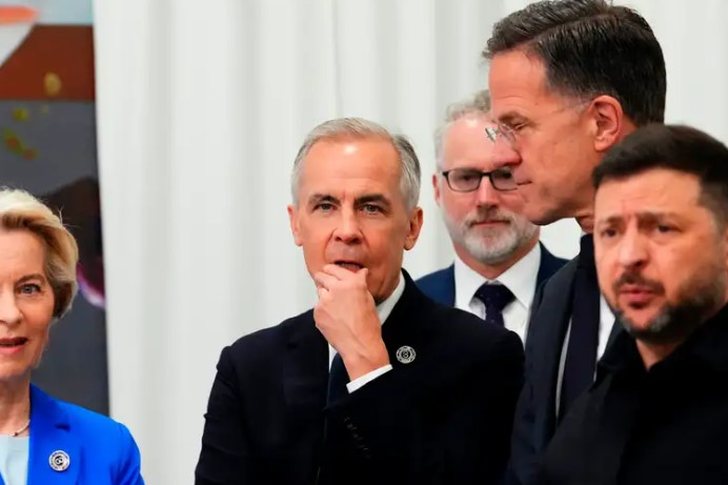
The European Union has transferred a new tranche of financ...
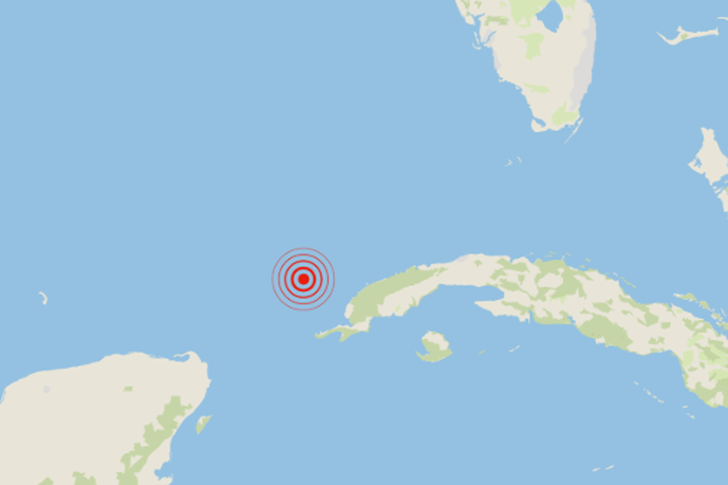
A magnitude 6.1 earthquake was recorded about 118 kilomete...
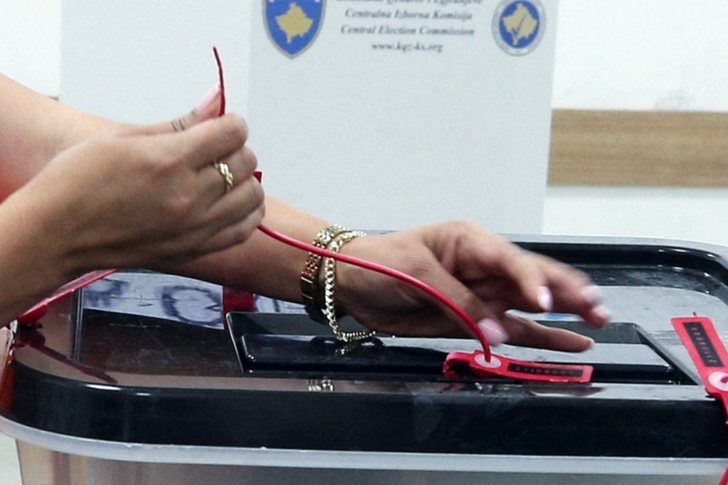
The Central Election Commission (CEC) plans to announce th...
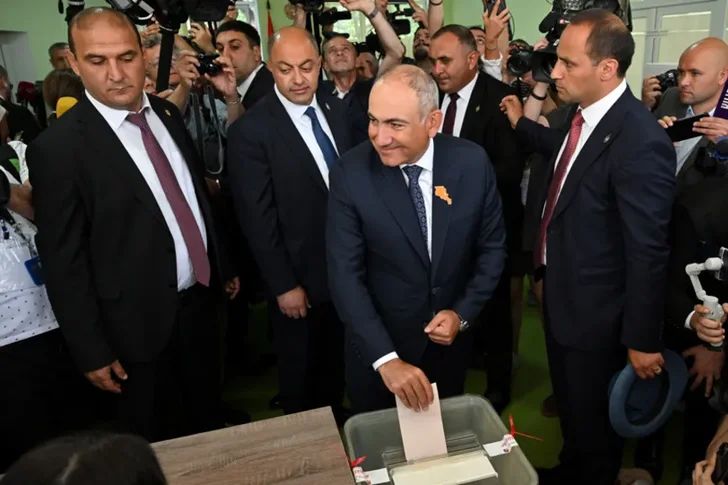
The party of Armenian Prime Minister Nikol Pashinyan has w...

US President Donald Trump held a telephone conversation wi...
The spokesperson for the CEC of Kosovo, Valmir Elezi, has ...
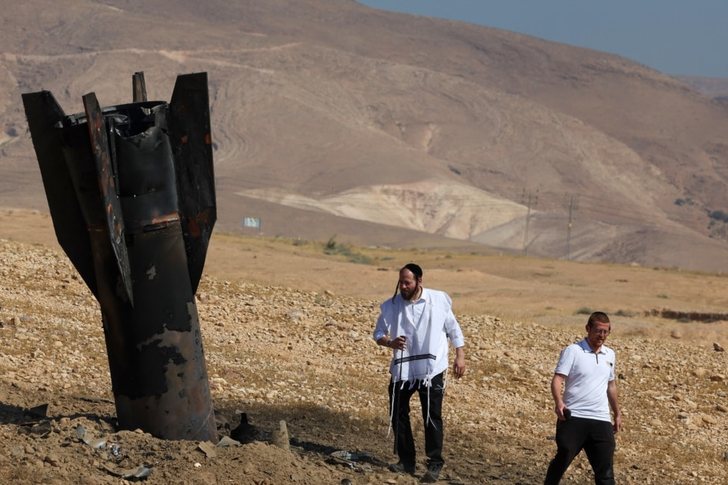
Iran's military's central command announced a halt to airs...

The city of Utsunomiya, about 100 kilometers north of Toky...

At least 32 people have died after a 7.8-magnitude earthqu...

The European Union's (EU) foreign policy chief says member...
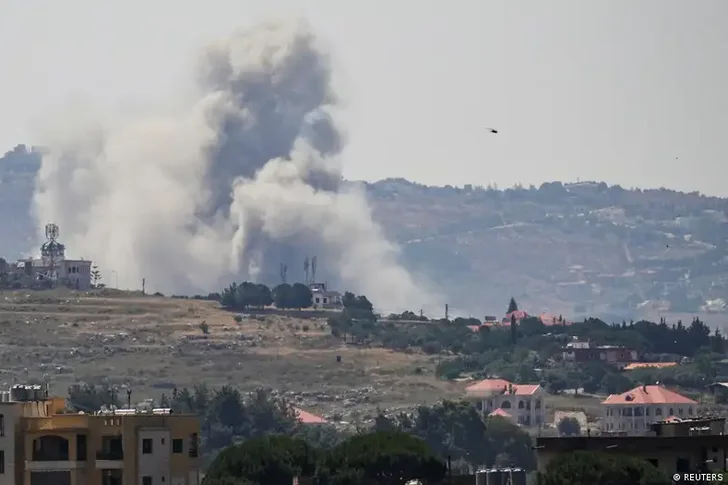
Lebanese Prime Minister Nawaf Salam has claimed that Israe...
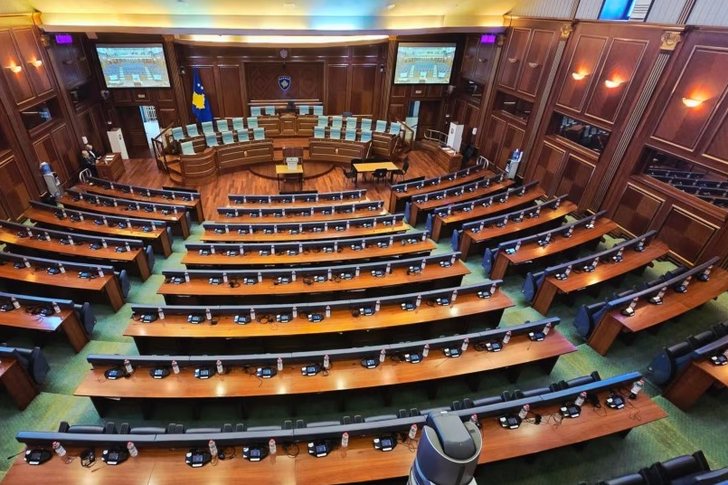
The leader of the Serbian List, Zlatan Elek, accused the l...

Australia in December became the first country in the worl...
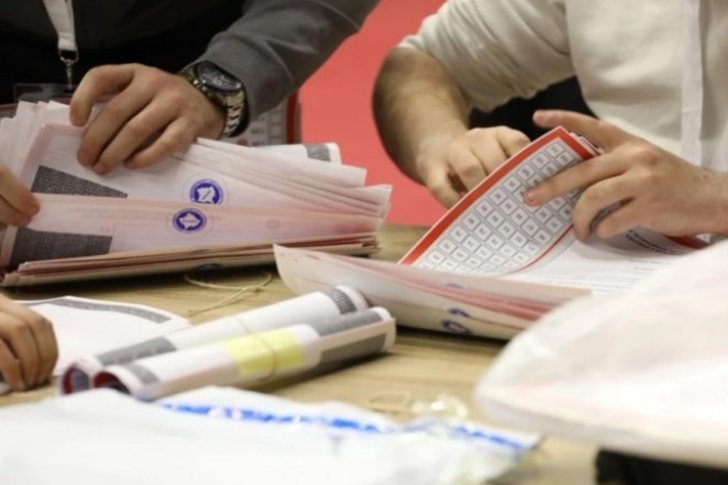
The vote counting for political entities in Kosovo has bee...
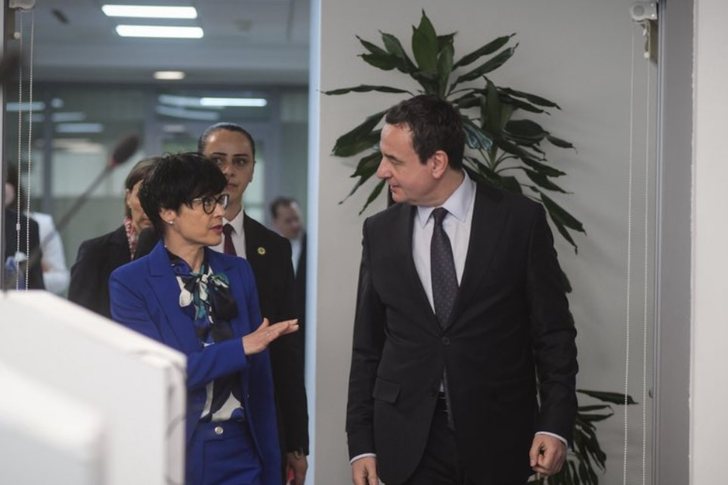
The European Union Commissioner for Enlargement, Marta Kos...
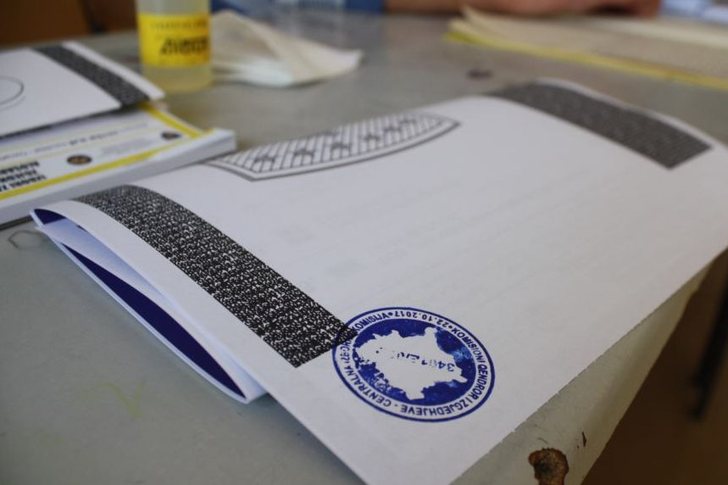
The counting of votes for political entities in Kosovo has...

Oil prices rose on Monday, with Brent crude rising 4.5% to...

Six people were injured in a stabbing attack at New York's...

As Russia's full-scale invasion of Ukraine enters its fift...

The in-depth investigations that SPAK conducted into Ajola...
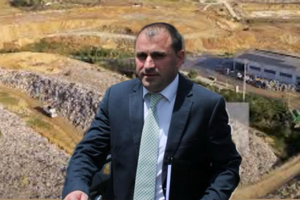
SPAK's standards, the way it investigates, how it secures ...

Irfan Hysenbelliu claims to be a big businessman, an hones...

The murder of officer Enea Mekolli in the line of duty has...

The Special Board of Appeal (KPA) decided this Monday ...

The KPA vetting decided this Thursday to dismiss the p...

Suela Salavaçi, a prosecutor in the Prosecutor's Offic...

The Special Board of Appeal reinstated the prosecutor ...

A serious road accident occurred this morning on the Vlora...

Other details have been revealed from the crime that occur...

Policia e Tiranës ka ndarë pak minuta më parë një thirrje ...

A violent conflict occurred between two people in Velipoja...

Today our country will be affected by relatively unstable ...

On Monday, our country will be affected by relatively stab...

More than 860 million people fall ill and 1.5 million die ...
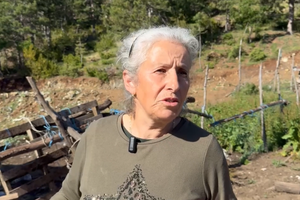
The mother of Violand Braçellari, the perpetrator of the s...

Historiani i njohur amerikan Gordon S. Wood, fitues i çmim...
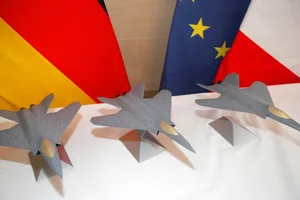
Germany and France finally ended the joint project to deve...
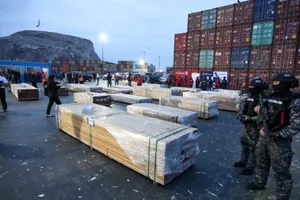
Chilean authorities have seized more than 100 tons of drug...

The European Union is entering a new phase of migration ma...

Korça has transformed this weekend into the capital of cel...

Korça is ready to open the summer season with one of the c...

Two years after his passing, the renowned Korçë poet Skënd...

The Ethnographic Museum of Berat has opened its doors to v...
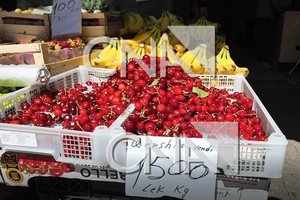
Inflation has increased in May, rising to 3% compared to 2...

Exchange rate, June 8, 2026 This Tuesday, one US dollar is...
At the end of 2025, for all euro area members, more than 9...
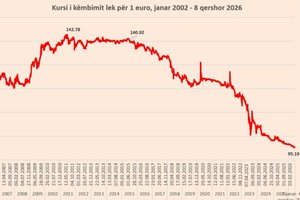
Kursi i këmbimit mes euros dhe lekut e ka nisur javën në r...