


Kidnapping of 34-year-old man/ The perpetrator is wanted, the accomplice is arrested
As a result of intensive investigative and operational act...

As a result of intensive investigative and operational act...

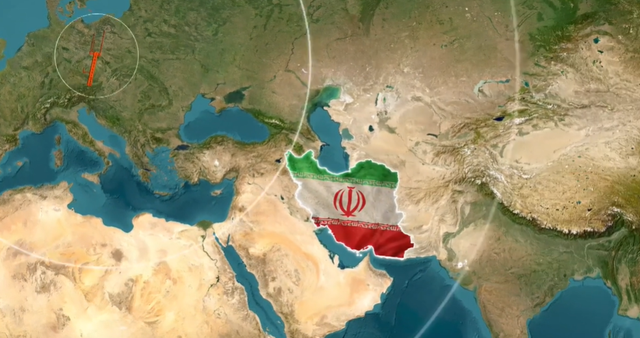
The radio signal first began broadcasting on February 28, about 12 hours after the United States and Israel launched bombing raids on Iran.
On a noisy shortwave signal, almost twice a day — early morning and evening according to Coordinated Universal Time (UTC) — a man's voice speaking Persian is heard, counting out a series of seemingly random numbers.
The numbers are read at different time periods, followed by a pause during which the word "tavajjoh," which translates as "attention," is said three times.
The mystery of this transmission has puzzled many in the global community of amateur radio operators who analyze suspicious signals; they have exchanged notes and tips on the signal, who could be behind it, and what its purpose might be.
Starting on March 4, the signal began to jam, with a deafening electronic noise making it almost impossible to hear the numbers. The original transmission stopped for a period of time and then moved to another shortwave frequency.
"It's interesting because it started to jam on the initial frequency," said Akin Fernandez, who is widely considered an authority on the old coded radio technology known as "numbered channels."
"Someone doesn't want the receiver [of the signal] to hear the numbers."
"It's a confrontational situation, two groups acting against each other. The question is who has the technical means to block a channel," Fernandez said.
"The United States has these tools, which means this is being transmitted from Iran. Or it could be Iran, which means the source of the transmission is the United States," he said.
"Most likely this is an operation against Iran," he added.
"Completely indestructible"
Regardless of who is broadcasting and who is blocking it, this mysterious broadcast is a throwback to another era, before the digital encryption widely used in apps like WhatsApp, Signal, and others.
The transmission is called a “numbers station” — a Cold War-era tool that uses radio transmissions and traditional cryptology to send secret messages — usually to spies around the world.
The concept is this: using a random series of numbers, generated by some mechanical or electronic device or something more sophisticated, one person can send an encrypted message to another person who possesses a decoder, often called a “one-time pad.”
Një sistem radari iranian shihet gjatë ditës së parë të një stërvitjeje ushtarake iraniane të mbrojtjes ajrore në tetor 2020.
Kushdo mund ta dëgjojë transmetimin; valët e shkurtra udhëtojnë në distanca të gjata, pasi sinjalet reflektohen nga atmosfera. Por, vetëm një person që ka çelësin e dekodimit mund ta deshifrojë atë. Ky koncept u shfaq edhe në serialin amerikan të spiunazhit “The Americans”, i vendosur në vitet 1980.
Kodi i stacioneve me numra është “plotësisht i pathyeshëm”, tha Fernandez, i cili më shumë se dy dekada më parë publikoi një përmbledhje audioje me katër CD që përmbante qindra regjistrime nga e gjithë bota, të quajtur “The Conet Project.” Ai konsiderohet si “Bibla” për entuziastët e stacioneve me numra.
“Çelësat numerikë që përdoren janë plotësisht të rastësishëm. Nuk ka operacione matematikore që mund të përdoren për t’i thyer me forcë brutale”, tha ai. “Dhe edhe nëse përgjigjja gjendet, për shembull në anglishte të saktë, nuk është domosdoshmërisht e kuptueshme”.
“Nuk mund të kuptosh asgjë nga një grup i rastësishëm shkronjash ose numrash përveç gjatësisë së tyre. Gjatësia e mesazhit nuk është përmbajtja e informacionit që transmetohet”, tha ai.
“Por, është e mundur të nxirret një ide për qëllimin e stacioneve nga kohëzgjatja që ato janë aktive dhe nga zhurma që transmetojnë nëse nuk ka mesazh tekstual”.
Sipas Priyom, një blog i drejtuar nga entuziastë të radios, transmetimi në gjuhën perse është stacioni i parë i ri me numra në vite. Ata ishin të parët që identifikuan, kataloguan dhe analizuan sinjalin, të cilin e kanë quajtur “V32”. Gazetari amerikan Seth Hettena gjithashtu e përmendi sinjalin në një postim në blog më 4 mars.
Grupi thotë se anëtarët e tij të shpërndarë nëpër botë kanë arritur të triangulojnë origjinën e transmetuesit të sinjalit: “diku në një zonë që përfshin Italinë veriore, Zvicrën, Gjermaninë perëndimore, Francën lindore, Belgjikën dhe Holandën”.
Kjo e ngushtoi listën e mundësive për pronarin e transmetimit “V32”.
Dhe pastaj filloi bllokimi.
“Bubble Jammer”
Gjatë Luftës së Ftohtë, transmetime si ato të BBC, Deutsche Ëelle dhe Radio Evropa e Lirë, ndër të tjera, bllokoheshin rregullisht nga autoritetet e bllokut sovjetik, të cilët donin të mos i lejonin qytetarët të merrnin informacione të pacensuruar: lajme për vendet e tyre, ose, për shembull, muzikë xhaz dhe rok nga Perëndimi.
Metoda është të mbytësh transmetimin hyrës me zhurmë të çrregullt — diçka e njohur si “bubble jammer”.
Më 4 mars, sipas Priyom, një i tillë filloi të transmetonte zhurmë në të njëjtën frekuencë të valëve të shkurtra si transmetimi origjinal “V32”, duke e bërë të vështirë kuptimin e tij.
Transmetimet “V32” u ndërprenë për pak kohë dhe më pas kaluan në një frekuencë tjetër aty pranë, tha Priyom.
"At first it was thought that the station was a spy station for the Islamic regime of Iran, but when the bubble-jammer showed up to block it, it was surprising," said Mauno Ritalo, database administrator at Radio Data Center, a radio company based in Germany.
“It’s exactly the same type of bubble jammer that’s being used against Radio Farda, VOA Farsi, Iran International TV’s shortwave broadcast, and BBC Farsi,” he said. “Radio Free Iran also suffered one night.”
Radio Farda is the Persian-language service of Radio Free Europe.
As for the source of the transmission, the global radio community has various theories; many of them focus on the United States as the possible initiator, which could be sending coded messages to agents inside Iran.
Other theories focus on Israel or even Turkey, which is not part of the US-Israeli campaign but is a long-standing regional rival of Tehran.
Or, as the Priyom bloggers suggest, it could be a psychological operation: “a highly visible station, on a single frequency, suddenly appearing for a prime-time broadcast on the first day of the war, with relatively few elements of reliability to ensure that recipients can copy the messages completely and without error.”
The CIA did not immediately respond to a REL request for comment.
Making the situation even more unclear: on March 9, ABC News reported that the US government had sent a warning to law enforcement agencies regarding “captured encrypted communications.”
The report did not specify exactly what the transmission was, or whether it was a signal from a numbers station.
"While the exact content of these broadcasts cannot be determined at this time, the sudden emergence of a new station with international rebroadcasting characteristics requires increased situational awareness," the ABC quoted the warning as saying. /REL


A tragic incident occurred today in Coeur d'Alene, Switzer...
Israeli Prime Minister Benjamin Netanyahu has posted on X ...

Canadian Prime Minister Mark Carney says the G7's strategi...

Presidenti i Shteteve të Bashkuara të Amerikës, Donald Tru...
First Deputy Prime Minister and Minister of Foreign Affair...
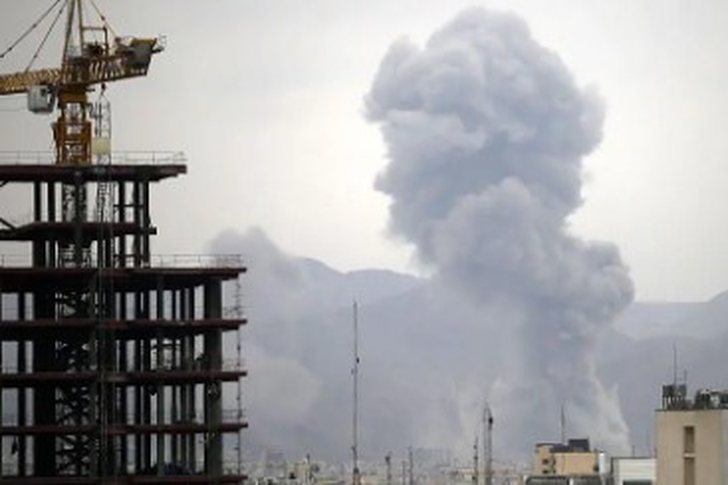
The most significant Iranian attack so far on Tuesday was ...
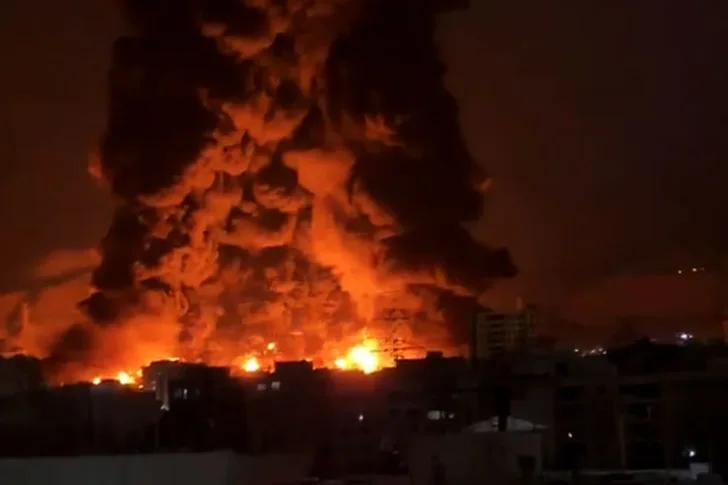
The World Health Organization has warned that "black rain...
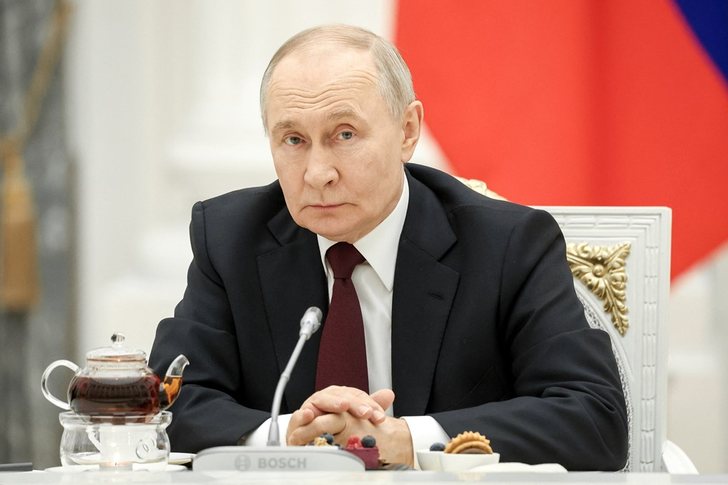
Russian President Vladimir Putin is a master at turning e...
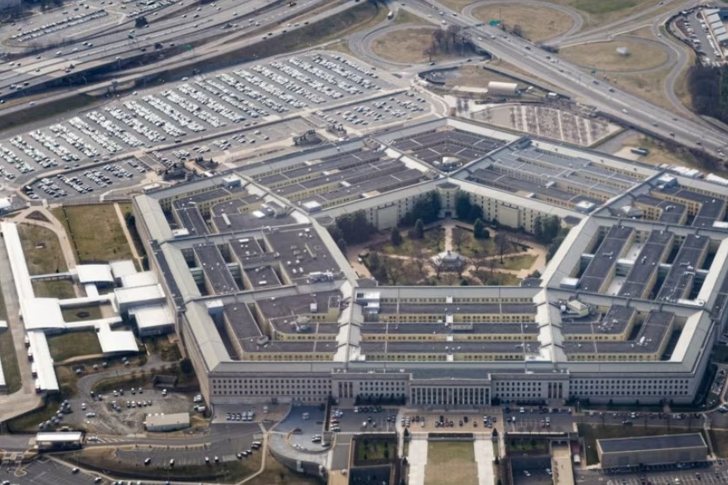
The Pentagon has issued a statement, saying that about 140...
White House Press Secretary Caroline Leavitt issued a stat...

Trump's special envoy for the Middle East, Steve Witkoff, ...

Ukrainian President Volodymyr Zelensky has announced that ...

Forbes has released its 40th annual "World's Billionaires"...
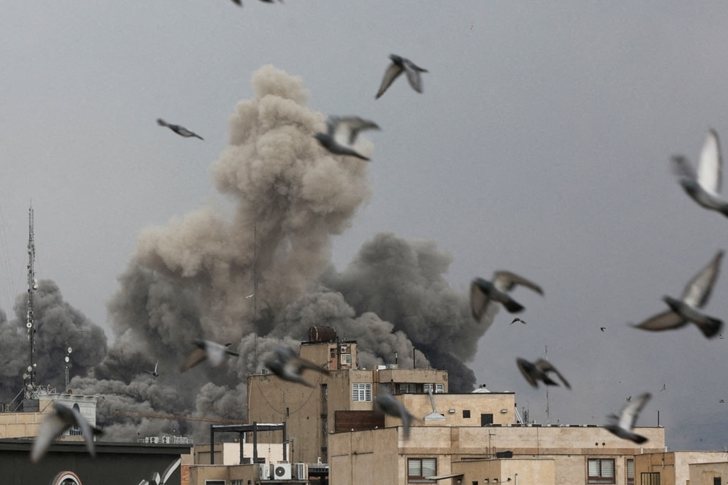
Israel is not seeking an endless war with Iran and will co...
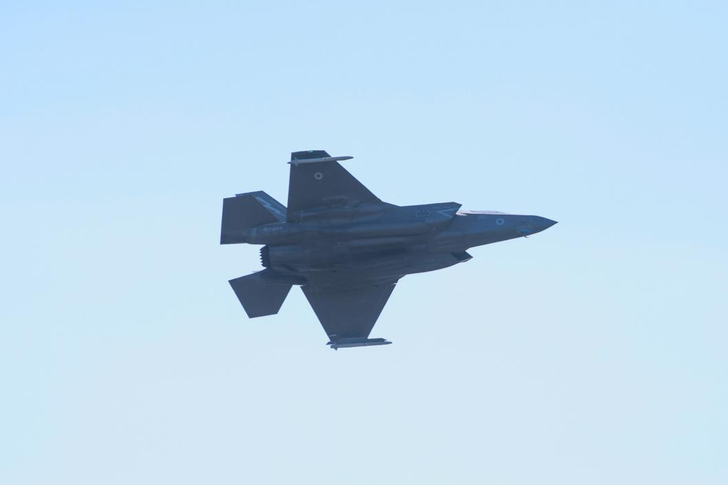
Since the US and Israel's war with Iran began late last mo...
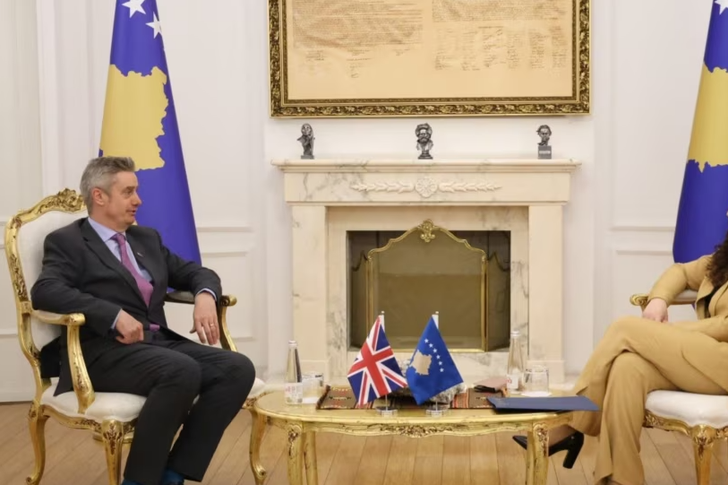
The British Ambassador to Pristina, Jonathan Hargreaves, h...
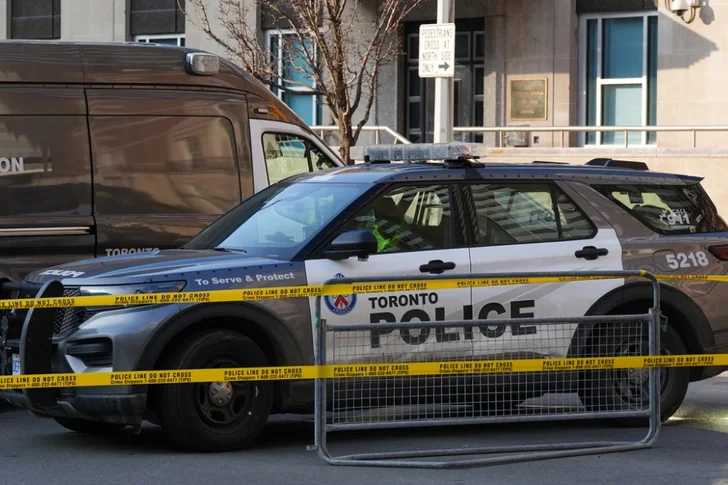
Gunshots were fired at the U.S. Consulate in Toronto today...
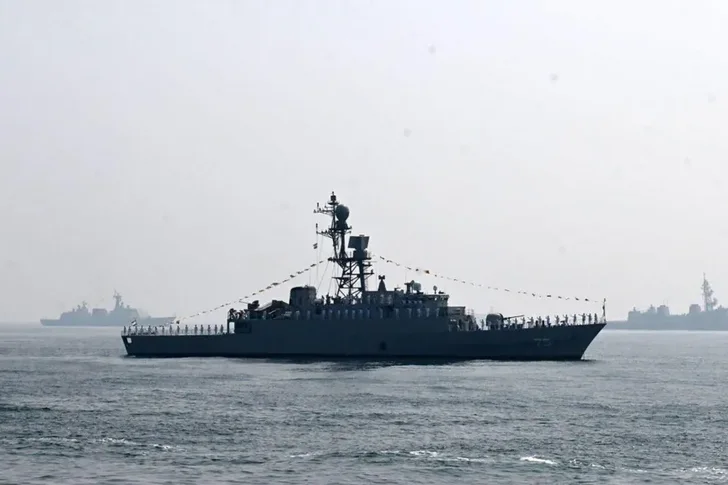
The chairman of the Joint Chiefs of Staff, Air Force Gener...
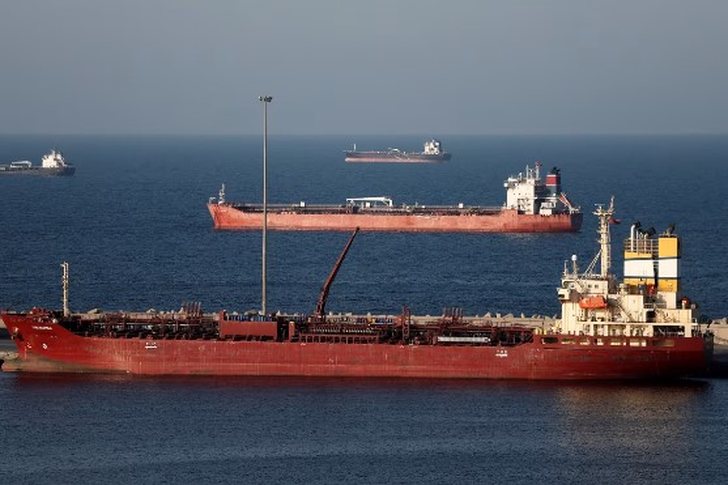
The US-Israeli war with Iran has caused the largest oil di...

US strikes against Iran will reach a new intensity on Tues...
Dritan Prençi is the SPAK prosecutor who is sleeping on th...
The in-depth investigations that SPAK conducted into Ajola...
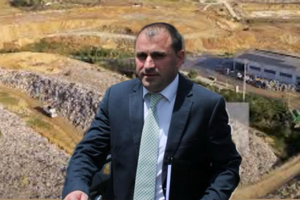
SPAK's standards, the way it investigates, how it secures ...

Irfan Hysenbelliu claims to be a big businessman, an hones...

The Special Board of Appeal (KPA) decided this Monday ...

The KPA vetting decided this Thursday to dismiss the p...

Suela Salavaçi, a prosecutor in the Prosecutor's Offic...

The Special Board of Appeal reinstated the prosecutor ...

As a result of intensive investigative and operational act...

A road accident was recorded this Tuesday on the Elbasan-P...
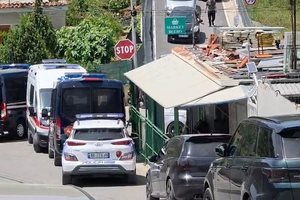
New details have emerged regarding the murder that occurre...

The State Police has revealed details from the operation i...

Intense rainfall has caused numerous problems in the Radom...
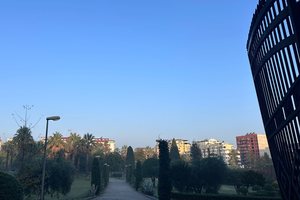
Today our country will be affected by relatively unstable ...

On Monday, our country will be affected by relatively stab...

More than 860 million people fall ill and 1.5 million die ...

Oil prices are falling after Israel and Iran have halted r...
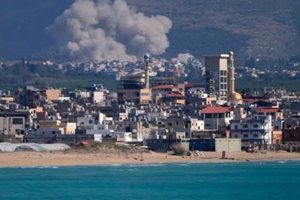
Israeli military forces have launched new attacks on the c...
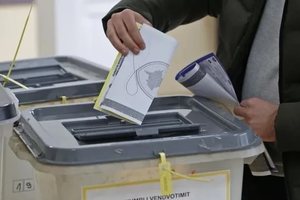
Just two days after the early parliamentary elections were...
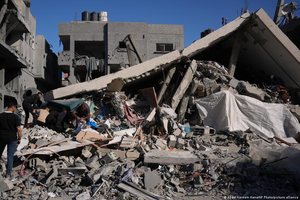
In 2025, 65 conflicts involving at least one state were re...

Korça has transformed this weekend into the capital of cel...

Korça is ready to open the summer season with one of the c...
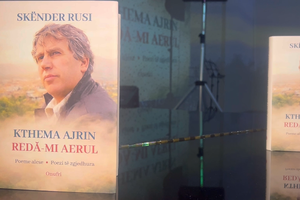
Two years after his passing, the renowned Korçë poet Skënd...

The Ethnographic Museum of Berat has opened its doors to v...
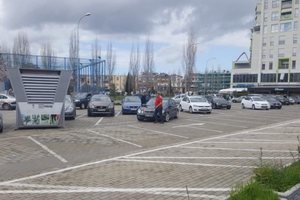
Improving the performance of public parking lots in Vlora,...

Inflation has increased in May, rising to 3% compared to 2...

Exchange rate, June 8, 2026 This Tuesday, one US dollar is...

At the end of 2025, for all euro area members, more than 9...