

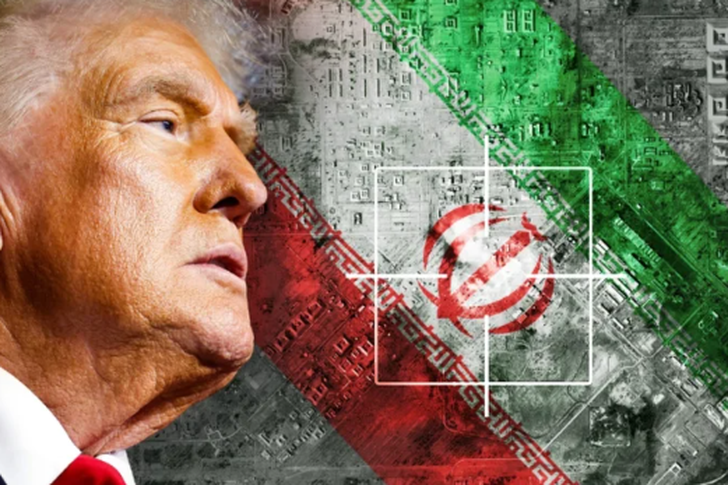
US Senate rejects measure to limit war powers against Iran
US lawmakers voted on Wednesday, March 4, against a war po...


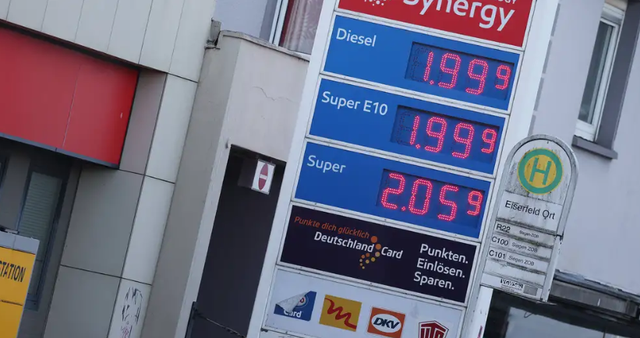
Iranian attacks on regional refineries and gas facilities, as well as oil tankers, are raising fears about global energy supplies. Economic forces are worried, but so are consumers.
The war in the Middle East has left global investors grappling with the effects of the prolonged regional conflict on global energy supplies and its potential to fuel inflation around the world.
Global stock markets fell, oil and gas prices rose sharply following US and Israeli attacks on Iran on Saturday (February 28) and Iran's response, which included targeting key oil and gas infrastructure in the region.
The price of Brent crude oil continued to rise on Wednesday, after crossing the $80 (69 euros) mark a day earlier. Gas prices also rose sharply in Asia and Europe.
Much of investor attention is still focused on the Strait of Hormuz, a key chokepoint through which about 20% of global oil supplies and a large amount of gas pass. A representative of Iran's Revolutionary Guard said the waterway was closed and that Iran would "burn any ship that tries to pass through the strait."
However, Bloomberg reported that China is pressuring Iran to keep the strait open to tanker traffic. China, the world's largest importer of oil and gas, is among the most exposed countries, as half of China's oil imports come through the strait.
US President Donald Trump announced a plan on Tuesday to secure and escort oil tankers and other ships through the strait. The move did not reassure investors as specifics were lacking and experts said the plan could take some time to implement.
"This is welcome news, but it is clear that it will not happen overnight. Naval escorts would be useful, but even this effort will take time," ING analysts point out. "Naval escorts would be an easy target for Iranian attacks. Therefore, the US may decide to wait with escort ships until it judges that Iran's offensive capability has weakened."
Insurance companies cancel risk coverage
Although the Strait of Hormuz is technically still open, tanker traffic through it has virtually ground to a halt after shippers and traders suspended energy supplies through that waterway due to security concerns and excessive security costs due to Iranian attacks on tankers in the region.
Marine insurers are canceling war risk coverage for ships in the Persian Gulf, and oil shipping prices are rising sharply.
Insurance companies, including Gard, Skuld, NorthStandard, London P&I Club and American Club, said their cancellations will take effect on March 5. This means shipping companies will have to find new insurance at higher prices.
More than 150 ships, including oil and liquefied natural gas tankers, are anchored in the Strait of Hormuz and surrounding waters, severely restricting global oil and gas supplies.
Iranian attacks on oil and gas facilities
Iranian attacks on key energy facilities in the region are adding to supply concerns. Saudi Aramco shut down its largest domestic oil refinery on Monday after it was targeted by Iranian drones.
Qatar's state-owned energy company, QatarEnergy, one of the world's leading natural gas producers, has suspended production of liquefied natural gas after Iranian attacks on facilities at two of its main gas processing bases. Authorities said a fire broke out at an oil industrial facility in Fujairah in the United Arab Emirates on Tuesday.
Despite the escalation, there are signs that investors continue to view the conflict as temporary rather than long-term, Deutsche Bank analysts said in a note to clients.
Bridget Payne, head of energy forecasting at consultancy Oxford Economics: "The oil market is well positioned to manage the impact from Iran. The market is well supplied and Iran is unlikely to withstand a disruption that would be both severe and prolonged, making a full-blown oil crisis unlikely."
Payne expects Brent crude to average $79 a barrel in the second quarter, before easing and supply recovering by the end of the quarter. This compares favorably with experts’ predictions of $100 a barrel in the event of a prolonged war and disruption.
Asian economies most sensitive to prices
A war in the Middle East poses a particular risk to Asian economies, which rely heavily on oil and gas from the region. Higher energy prices could push up consumer prices in those countries.
84 percent of the crude oil and condensate (a lighter form of oil associated with the extraction of crude oil -ed.) and 83 percent of the liquefied natural gas that passed through the Strait of Hormuz ended up in Asian markets in 2024, according to the U.S. Energy Information Administration (EIA). China, India, Japan and South Korea were the main destinations.
China buys almost 90 percent of Iran's oil under sanctions. But the loss of Iranian oil production would not be as significant a blow to China, as Iran provides only 11 percent of China's crude oil imports, as a prolonged disruption of shipping traffic through the Strait of Hormuz would be.
"It is in China's interest to keep energy flowing in the region," said Gareth Leather, senior Asia economist at consultancy Capital Economics. "This is one reason to think that China may not increase support for Iran, an early geopolitical ally, in its support of US and Israeli attacks, as it did for Russia after its invasion of Ukraine."
Risks for Europe
Europe's greater exposure to a Middle East energy shock compared to the United States caused the euro to weaken sharply against the dollar this week, amid concerns that a prolonged disruption could trigger a spike in eurozone inflation and derail a fragile economic recovery.
"There is a persistent negative supply shock, which is a direct tax on Europeans that has to be paid to foreign producers in dollars," said George Saravelos, global head of foreign exchange research at Deutsche Bank.
Europe is more exposed to developments in the gas market. Not only because there is a large market for LNG from Qatar, but also because a disruption to Qatar's LNG exports would force Asian buyers to compete with Europe for deliveries. This would further push up prices and make it harder for Europe to replenish its gas reserves after an unusually cold winter.
European natural gas futures contracts rose about 22% to 54.29 euros per megawatt hour on Tuesday, building on Monday's nearly 40% surge./ DW

US lawmakers voted on Wednesday, March 4, against a war po...
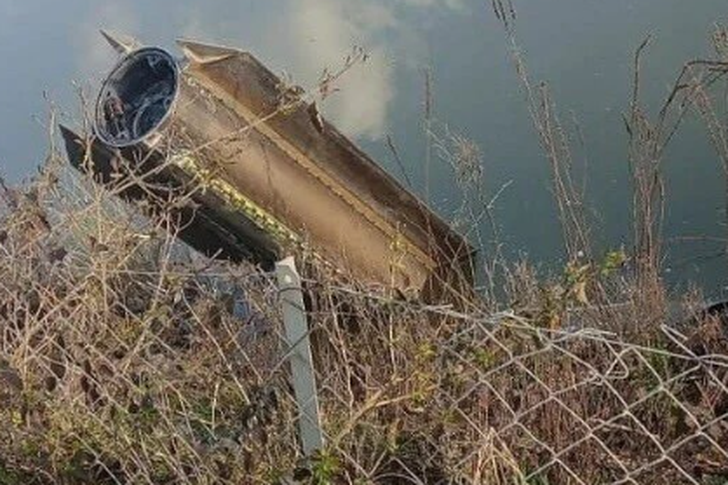
The General Staff of the Iranian Armed Forces has issued a...

Iran fired several missiles toward Israel in the early hou...

US President Donald Trump at a roundtable at the White Hou...
White House spokeswoman Caroline Levitt said in a briefing...
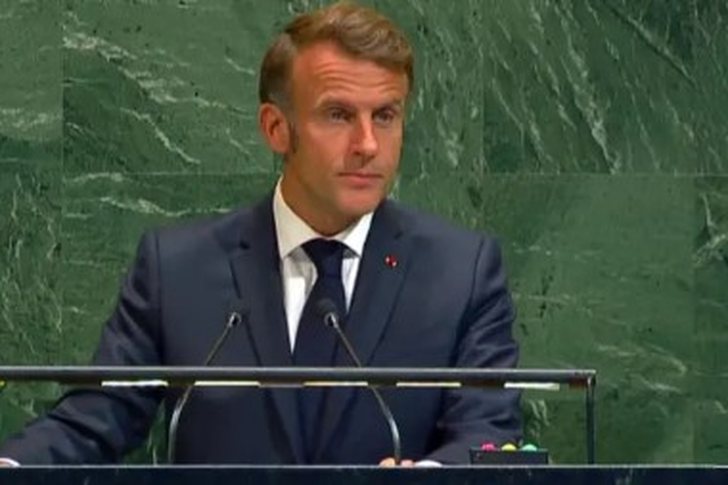
French President Emmanuel Macron said he spoke with Israel...
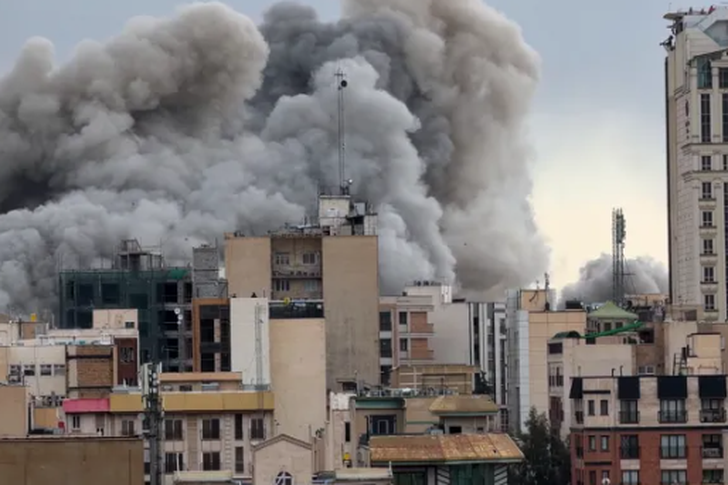
Agents from Iran's Ministry of Intelligence have signaled ...
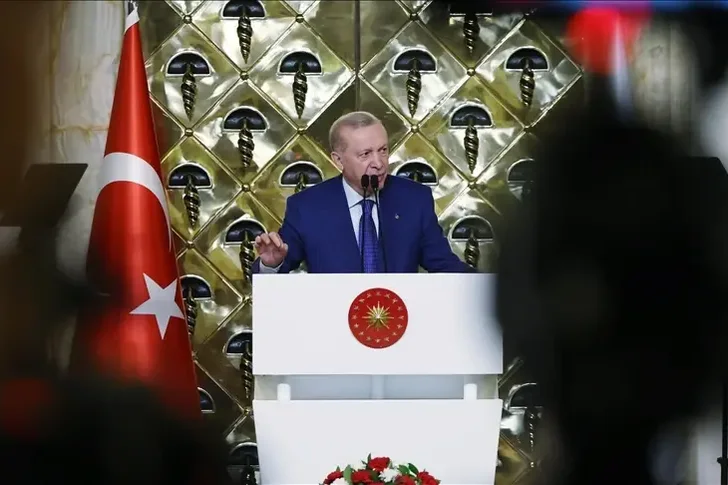
President Recep Tayyip Erdogan vowed on Wednesday that Ank...
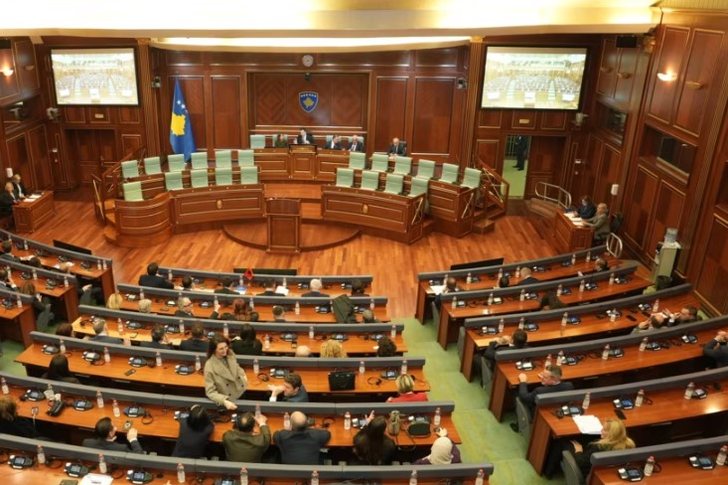
The Kosovo Assembly session to elect the president has fai...
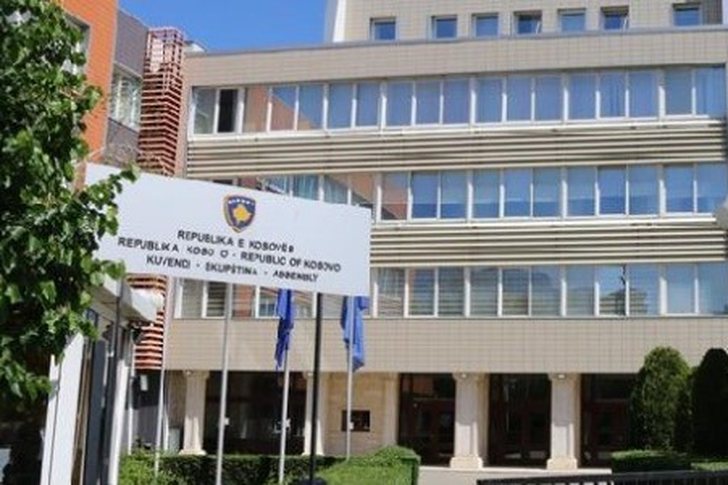
The Democratic League of Kosovo has reacted after the prop...
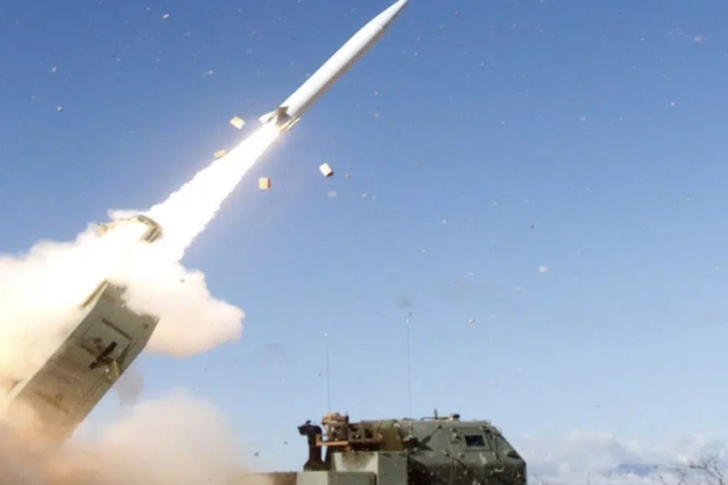
Foreign military experts have identified new Tomahawk Crui...
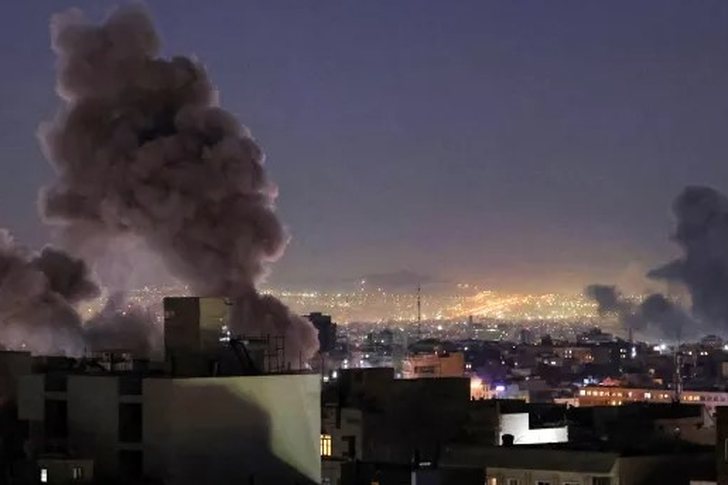
An Israeli military official says they understood at the p...
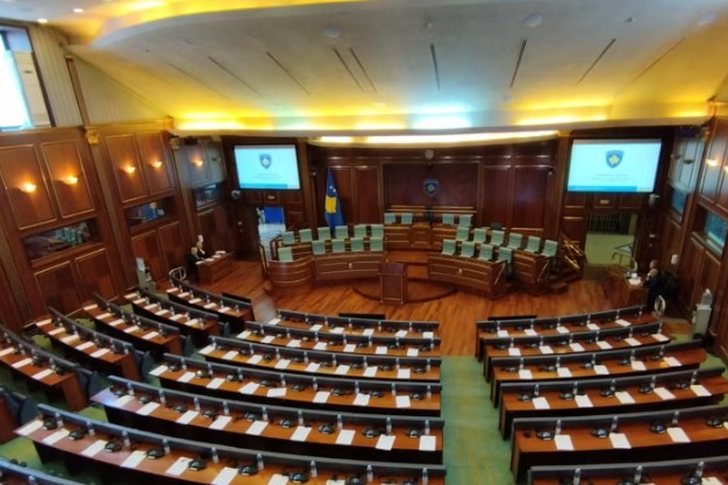
Prime Minister Albin Kurti's Vetëvendosje Movement has nom...
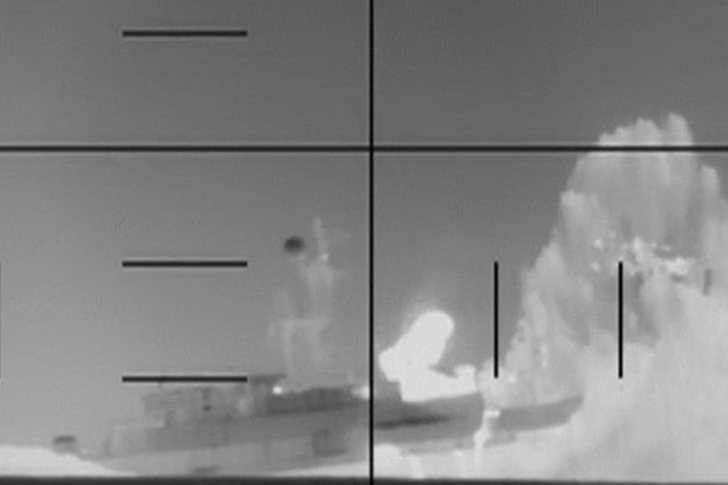
The Israeli air force claimed to have dropped 5,000 bombs ...
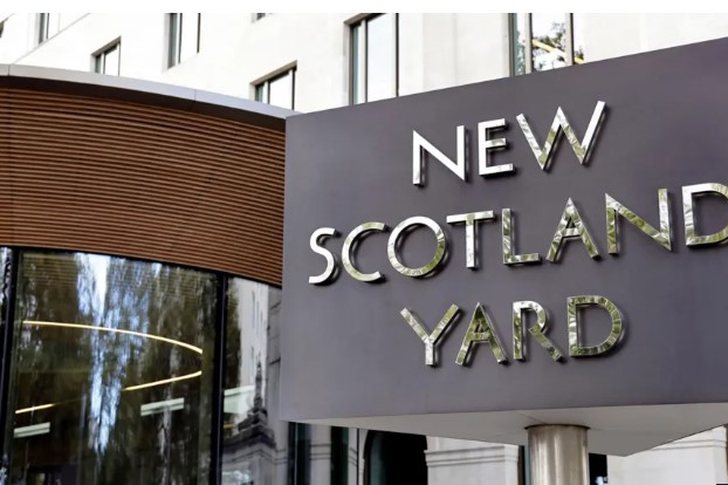
One of three men arrested on suspicion of spying for China...

The Athens Court of Appeal for Serious Crimes confirmed th...
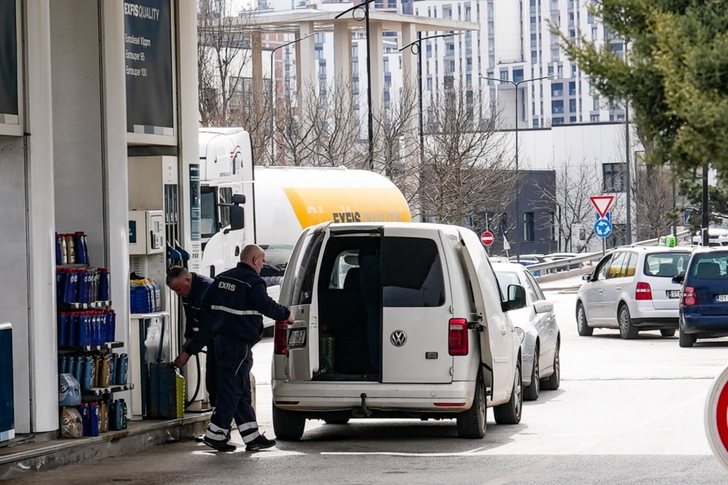
Kosovo imposed safeguard measures on fuel prices on Wednes...
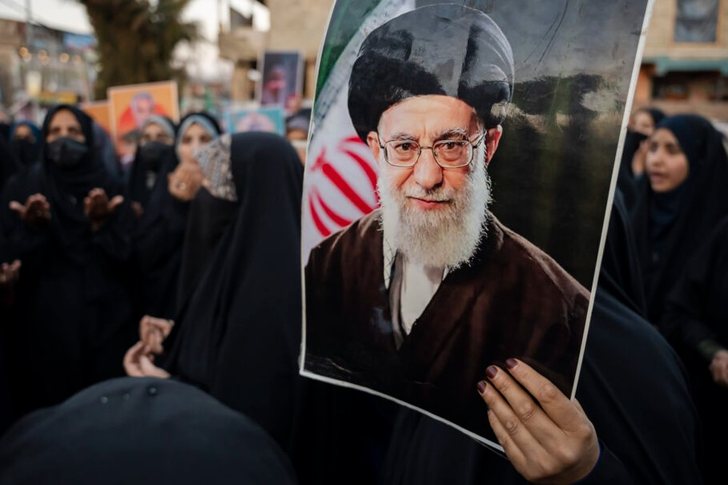
Iran has postponed the state funeral of supreme leader Aya...
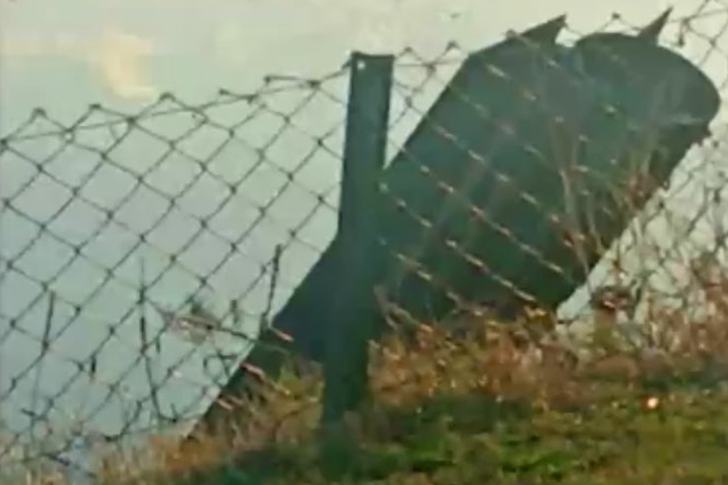
Turkey has expressed its anger at Iran after it launched a...
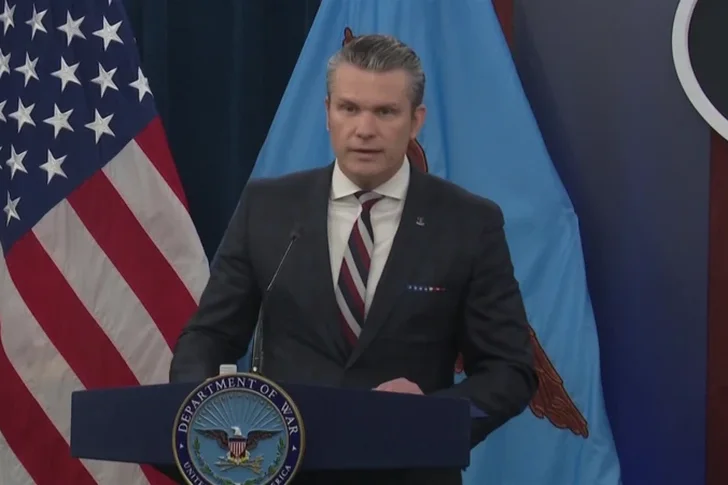
US Secretary of Defense Pete Hegseth has issued a statemen...

Dritan Prençi is the SPAK prosecutor who is sleeping on th...

The in-depth investigations that SPAK conducted into Ajola...
SPAK's standards, the way it investigates, how it secures ...

Irfan Hysenbelliu claims to be a big businessman, an hones...

The Special Board of Appeal (KPA) decided this Monday ...

The KPA vetting decided this Thursday to dismiss the p...

Suela Salavaçi, a prosecutor in the Prosecutor's Offic...

The Special Board of Appeal reinstated the prosecutor ...

The two German tourists who lost contact while exploring t...

After finding 7446 narcotic plants in the village of Reç i...

Following Operation "The Wanted", a 42-year-old man wanted...

As a result of intensive investigative and operational act...

The UN's World Meteorological Organization now warns that ...

Intense rainfall has caused numerous problems in the Radom...

Today our country will be affected by relatively unstable ...

On Monday, our country will be affected by relatively stab...

Bulgaria's newly appointed Defense Minister, Dimitar Stoya...

NASA has named its crew for its next major mission to the ...

Five people have been arrested in Kosovo on suspicion of i...

Six Georgian citizens appeared before a Paris court on Tue...

Korça has transformed this weekend into the capital of cel...

Korça is ready to open the summer season with one of the c...

Two years after his passing, the renowned Korçë poet Skënd...

The Ethnographic Museum of Berat has opened its doors to v...

Predictions of a severe oil shortage this summer have not ...

Improving the performance of public parking lots in Vlora,...

Inflation has increased in May, rising to 3% compared to 2...

Exchange rate, June 8, 2026 This Tuesday, one US dollar is...