


"Hate speech more online"/ Karamuço: I believe in civic anger, an exercise in democracy
Security expert Ervin Karamuço commented today on the deve...

Security expert Ervin Karamuço commented today on the deve...

In Albania, the overload in the detention system has been criticized by the Council of Europe as well as by representatives of institutions and organizations that protect human rights in the country. According to official statistics, the detention population has been high for two decades and today is about 30% above the European average. The state authorities, the Ombudsman and representatives of the legal field, emphasize the implementation of criminal legislation, arguing that the security measure, "prison arrest" should be the last to be applied by prosecutors and judges, among other coercive measures .
In Albania, social groups that protect human rights and the People's Advocate are raising concerns about the continuous increase in the population in detention institutions. Finally, the Council of Europe singled out this problem and recommended the authorities to take measures to solve it. According to official data, there are over 5,670 citizens in prisons, 59% of whom are in custody, a figure that is over 30% above the European average.
For those familiar with these developments, these statistics place Albania at the bottom of the countries in the region and Europe for the high number of detained persons, in relation to the prison population as a whole, as well as reflect in many cases problems in violation of the freedom of the person, as he is presumed innocent but is practically in prison. Many lawyers think that the security measure "arres me prison" is the last one that should be applied and that this situation was created by the misapplication of the law.
"The question is - why do we need to put so many people in prison? Do the investigation well, take the case to trial and not always jail time. The prosecutor imposes this measure, the court approves it, and the people who find the measure inappropriate go to appeal, then to the high court and the system is loaded. Why does this come? From the misapplication of the law" - said Blerta Kraja, lawyer, for the Voice of America.
The security measure "imprisonment" in the Code of Criminal Procedure is listed as the penultimate of the 7 types of coercive measures provided for by the criminal legislation, among which the ban on leaving the country, the obligation to appear in the judicial police, property guarantee, or house arrest . The number of detainees in Albania, in relation to the prison population as a whole, has been high in the last two decades. In 2001, it was 47.8% of the total, in 2015 it decreased to about 30%, while after this year, which coincides with the start of the justice reform, it has been increasing significantly and today it is about 59%.
According to analysts, the Reform in Law, which started 7 years ago, created large gaps in the system by removing judges and prosecutors from the Vetting process, leading to an extension of the investigation and trial deadlines and, as a consequence, of the detention time for persons under this security measure.
The People's Advocate Erinda Ballanca, related to this issue, argues that there is a general wrong spirit in Albania, that everyone who is accused of a criminal offense should be imprisoned immediately.
"Prison should be the last resort, this is the spirit. Security measures should be handled directly and by the court. The court must take ownership of the reform in justice, because the goal was not that the prisons were full, but only those people according to the legal criteria" - said Erinda Ballanca, Ombudsman.
Albania also has a high number of convicts with a final decision, about 180-190 convicts per 100 thousand inhabitants compared to the European average of 140.
Some statistics from the General Directorate of Prisons, which VOA provided, create a clearer picture of some elements that are thought to have increased the population of detainees. They are related to the increase in the number of criminal cases, which in 2015 have almost tripled compared to the beginning of the 2000s, while in recent years they have decreased by 25%, but again compared to two decades ago, they remain twice as high. high.
The authorities list among the main reasons for the increase in the number of pre-detainees the increase in the effectiveness of criminal justice institutions, (313 out of 400 pre-detainees in prison alone, 200 are subjects of SPAK) as well as the difficulty that prosecutors encounter in gathering evidence. Finally, gaps in the justice system have been added to these difficulties as a result of vetting.
"Prosecutors must receive evaluation from forensic medicine, toxicologist, cybercrime scientific police and other institutions. There are many delays from the state expertise, but still, prosecutors and judges are inclined to give security measures "custodial arrest" against other measures. Why this happens in my opinion. It can also happen because of the pressure on the justice bodies, mainly on the prosecution, as well as the lack of evidence, and they often tend to forget the concept that prison is the last measure," Fehmi told Voice of America. SufaJ, Deputy Director of the General Directorate of Prisons.
But the jurists have another social point of view, paying attention to the tightening of punishments related to the theft of electricity, or constructions without permission a few years ago. Blerta Kraja, lawyer, thinks that social issues are not solved by offering prison as an alternative.
"Poverty cannot be fixed with prison. Regarding the theft of electricity, I agree that a factory director should be punished when he steals energy in collaboration with a director at OSHE. But not a poor person, when we haven't defined the vital minimum, he probably doesn't have bread, you have to make him see the VAT, and let the children do their homework. Some time ago, they arrested some residents in Theth for building without a permit. For the tower in Theth we punish criminally, while for the tower in Tirana it is confiscated and legal acts are made. Right of pre-emption is given to builders. How does this country see its citizens, is there equality here? As a community of lawyers, we will raise these concerns about these legal provisions that are almost inhumane", said Blerta Kraja, lawyer, for the Voice of America.
The ombudsman thinks that this issue takes on a different dimension if, in addition to EC parameters, and respect for human rights, the high financial costs per day for a convict are also evaluated. In Albania, according to official authorities, this cost is 24 euros.
"Five times more is spent per month for a detainee than for a family in need. If we calculate the compensations for the unjust measures, the costs increase even more" - continued Erinda Ballanca, Ombudsman.
The General Prosecutor's Office told the Voice of America that the vacancies in the investigation bodies as a result of the removal of the prosecutors from the vetting process have made the work of the prosecutors difficult.
Pranvera Pustina, prosecutor and director of the office of the General Prosecutor, said that the security measures of arrest and imprisonment, in relation to other coercive measures, have a weight of about 50% and that during the last years they have decreased by several percentages. She singles out the importance for prosecutors of the implementation of the law, which includes the conditions and criteria for granting these measures.
"The prosecutor is an enforcer of the law, the conditions and criteria, defined in the Code of Criminal Procedure, are quite clear. They require a better reasoning on the part of the prosecutors and on the part of the court rather than requests and declarative decisions. They must be seen in accordance with the criminal offense for which the person is accused, the circumstances of the commission of this criminal offense and the personality of the person under investigation. If the conditions and criteria are justified in detail either by the prosecutor and checked by the court in its first decision and then by the information that the prosecutor sends every two months, we will definitely have better results, even in reducing the number of these security measures" - Pranvera Pustina, prosecutor and director of the Attorney General's cabinet, argued for the Voice of America.
According to official statistics, over the last 5 years, the court has left in effect an average of about 84% of the security measures of arrest and imprisonment, imposed by the prosecution. Concerns about the high level of the detention population in Albania have been highlighted in almost all reports of the Anti-Torture Committee of the Council of Europe and groups that protect human rights in the country. The problems that have arisen from this phenomenon are related in many cases to the unjust deprivation of a person's freedom, as well as the financial costs that follow court decisions for compensation of persons to whom the unjust security measure "prison arrest" has been applied. One of them was recently granted by the Human Rights Court in Strasbourg./ VOA

Ish-kryebashkiaku i Kukësit, Safet Gjici i cili është dënu...
Journalist Julian Hoxha spoke about the Durrës Eco Park an...
The statement of former Deputy Prime Minister Arben Ahmeta...
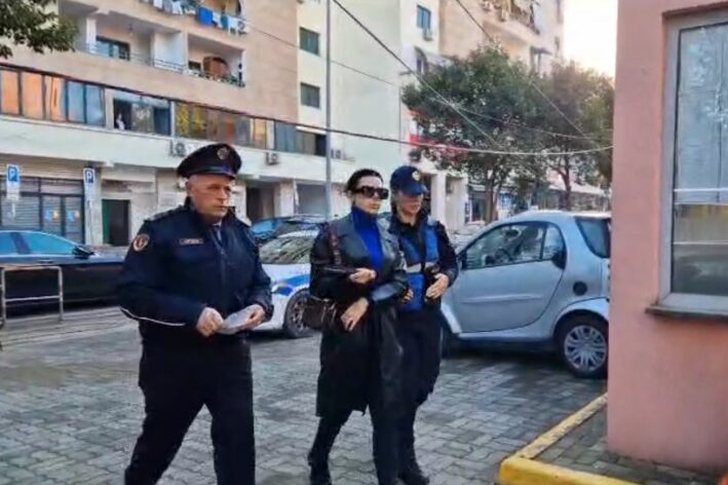
The court has imposed 1 year in prison for Alma Kaçi, who ...
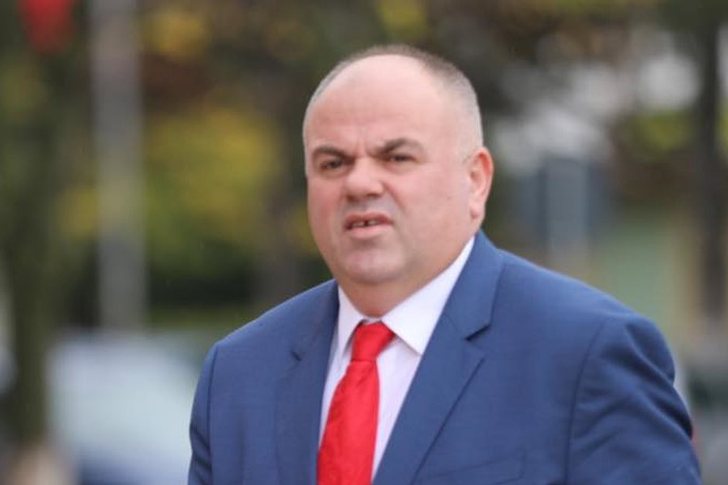
The court has sentenced the former mayor of Kukës, Safet G...
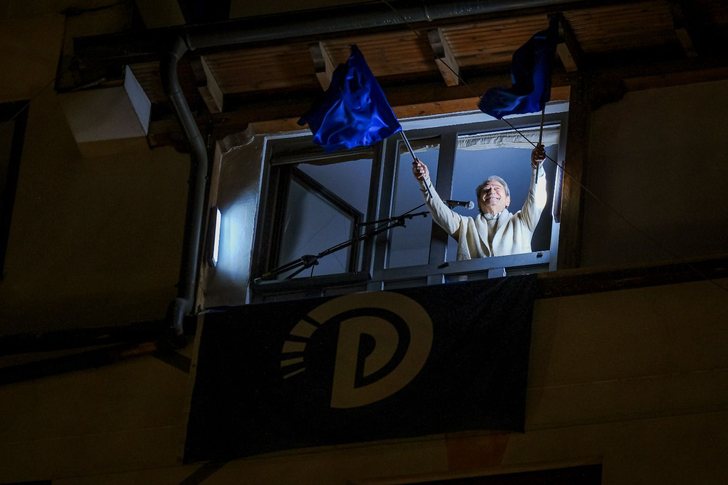
Former Prime Minister Sali Berisha, during his speech ...
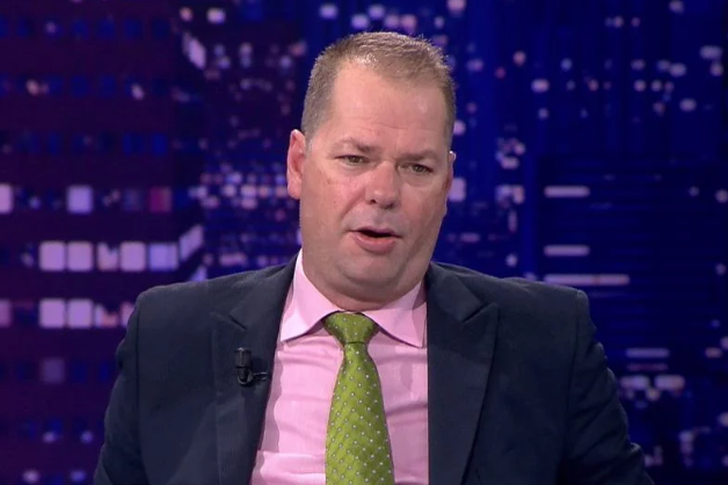
The Secretary for Public Relations in DP e vula, the man w...

Prime Minister Edi Rama held a meeting with his Luxembourg...
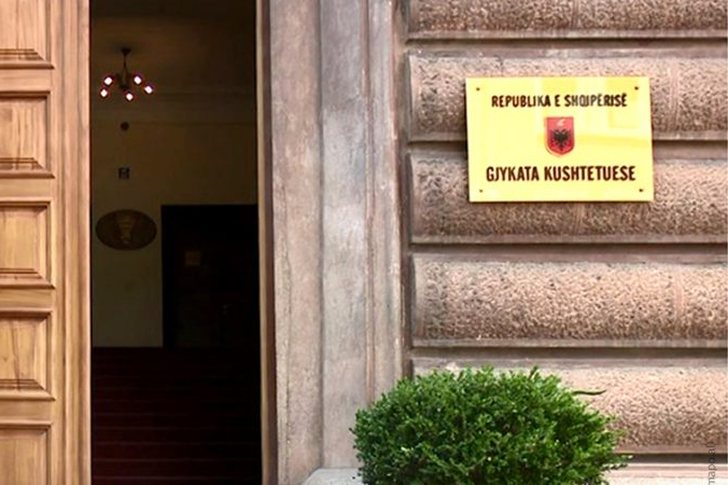
The Constitutional Court has accepted the opposition's com...
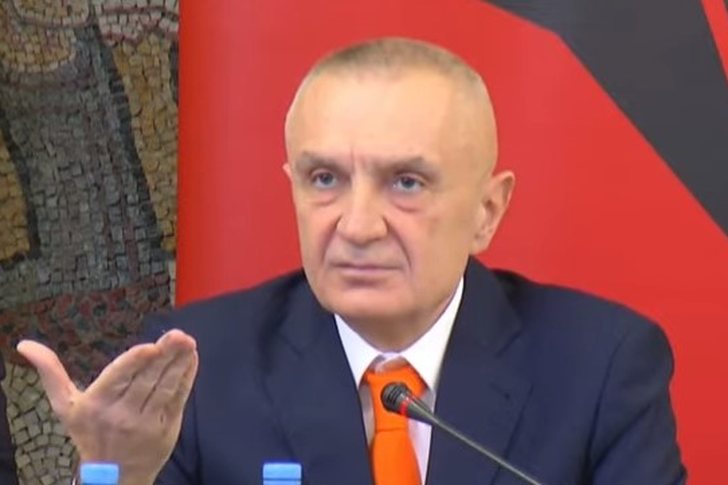
The head of the Freedom Party, Ilir Meta, commented on the...
Zbardhet dëshmia e Safet Gjicit në Gjykatën e Posaçme....
The flu situation in the country continues to be stabl...
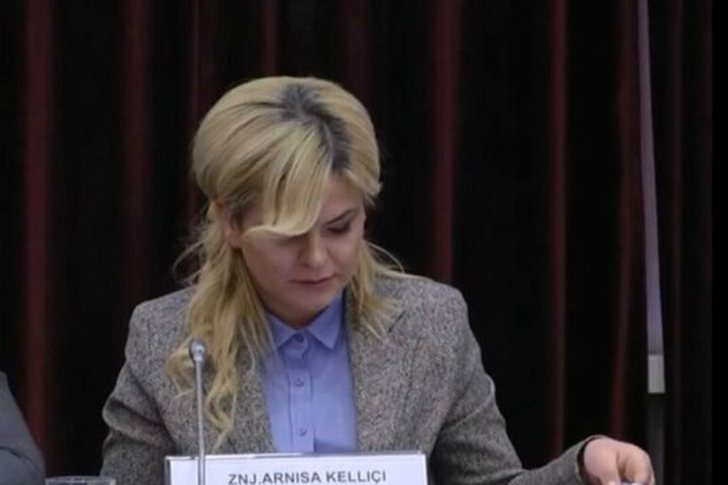
Judge Arnisa Kelliçi has been suspended from office, a...
Prime Minister Edi Rama has announced that there was a tou...

Changes that may be included in the New Criminal Code incl...
9 kanale të rëndësishme të “DigitAlb”, të cilat janë r...
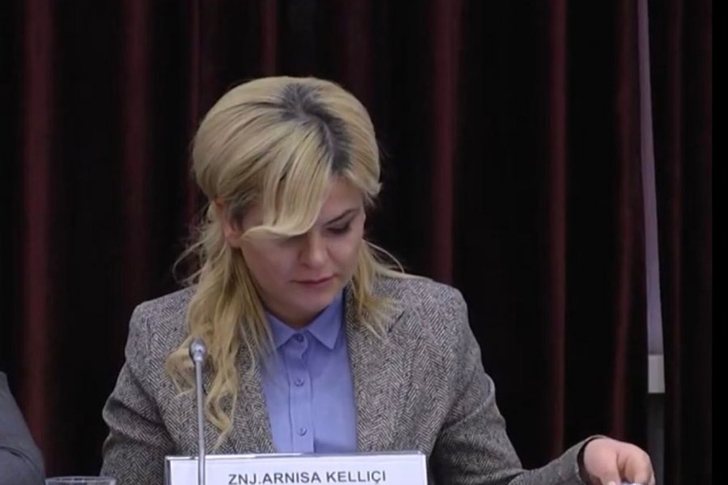
The Prosecutor's Office in Tirana has accused Judge Ar...
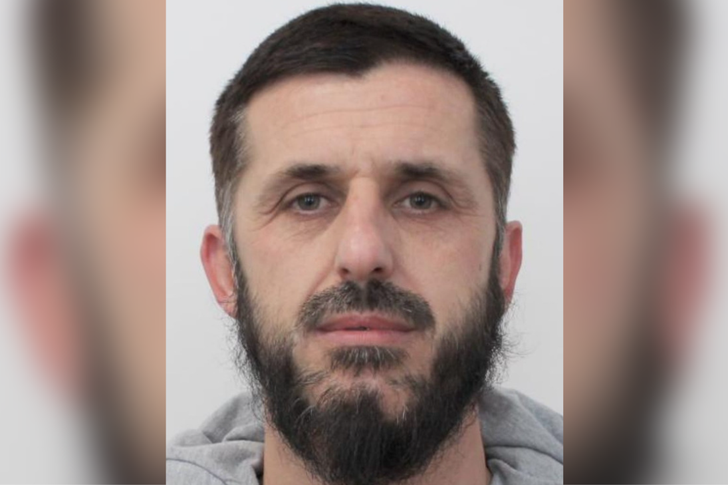
Doctor Dervish Hasi, who is accused of "trafficking of min...
At today's meeting of the Council of Ministers, the draft ...
The Council of Ministers approved this Wednesday a decisio...
Dritan Prençi is the SPAK prosecutor who is sleeping on th...
The in-depth investigations that SPAK conducted into Ajola...
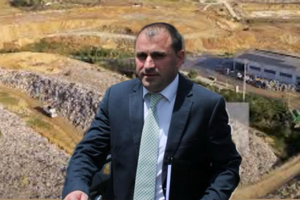
SPAK's standards, the way it investigates, how it secures ...

Irfan Hysenbelliu claims to be a big businessman, an hones...

The Special Board of Appeal (KPA) decided this Monday ...

The KPA vetting decided this Thursday to dismiss the p...

Suela Salavaçi, a prosecutor in the Prosecutor's Offic...

The Special Board of Appeal reinstated the prosecutor ...
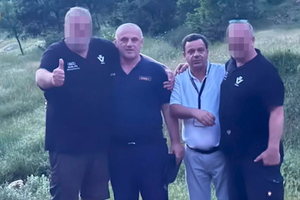
The two German tourists who lost contact while exploring t...
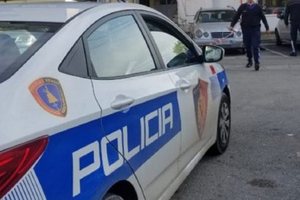
After finding 7446 narcotic plants in the village of Reç i...

Following Operation "The Wanted", a 42-year-old man wanted...
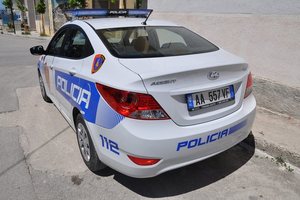
As a result of intensive investigative and operational act...
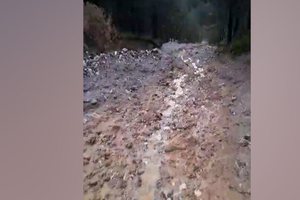
Intense rainfall has caused numerous problems in the Radom...
Today our country will be affected by relatively unstable ...

On Monday, our country will be affected by relatively stab...

More than 860 million people fall ill and 1.5 million die ...
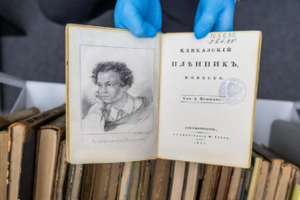
Six Georgian citizens appeared before a Paris court on Tue...

President Donald Trump has accused Iran of shooting down a...

Pope Leo XIV arrived in Barcelona this Tuesday, in what ma...
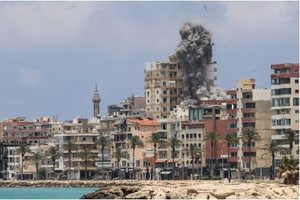
Israel has bombed the city of Tyre, killing eight people a...

Korça has transformed this weekend into the capital of cel...

Korça is ready to open the summer season with one of the c...

Two years after his passing, the renowned Korçë poet Skënd...
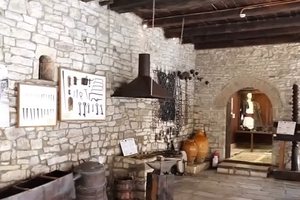
The Ethnographic Museum of Berat has opened its doors to v...

Predictions of a severe oil shortage this summer have not ...
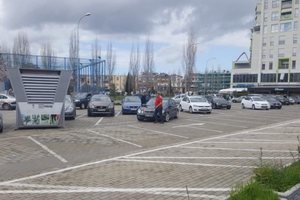
Improving the performance of public parking lots in Vlora,...
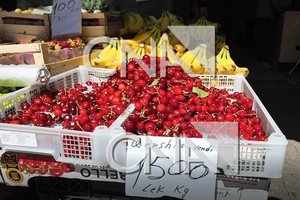
Inflation has increased in May, rising to 3% compared to 2...

Exchange rate, June 8, 2026 This Tuesday, one US dollar is...